24 Hour AC Repair in Southwest Florida: What to Know
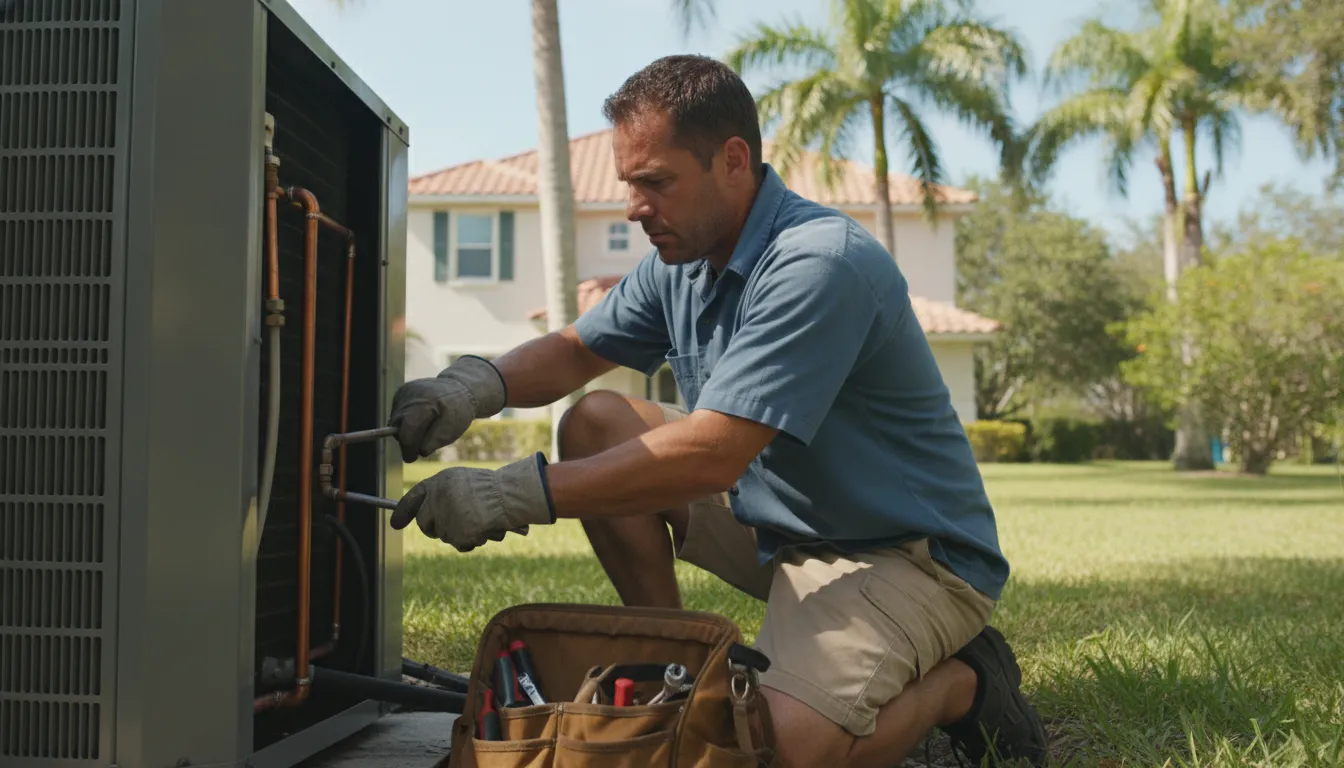
When a Florida air conditioner stops cooling after midnight, the indoor temperature can rise quickly, especially during the summer heat and humidity. A warm bedroom is uncomfortable, but for older adults, young children, and people with health concerns, prolonged heat can become a safety issue.
Schedule 24 hour AC repair with 5 Star Air and get a fast, honest response to your cooling emergency.
24 hour ac repair is emergency HVAC service for homeowners whose systems fail outside normal business hours. 5 Star Air serves Southwest Florida and the Florida Keys around the clock. With a documented two-hour emergency response time, professional diagnostics, and a repair-first approach rather than automatic replacement recommendations.
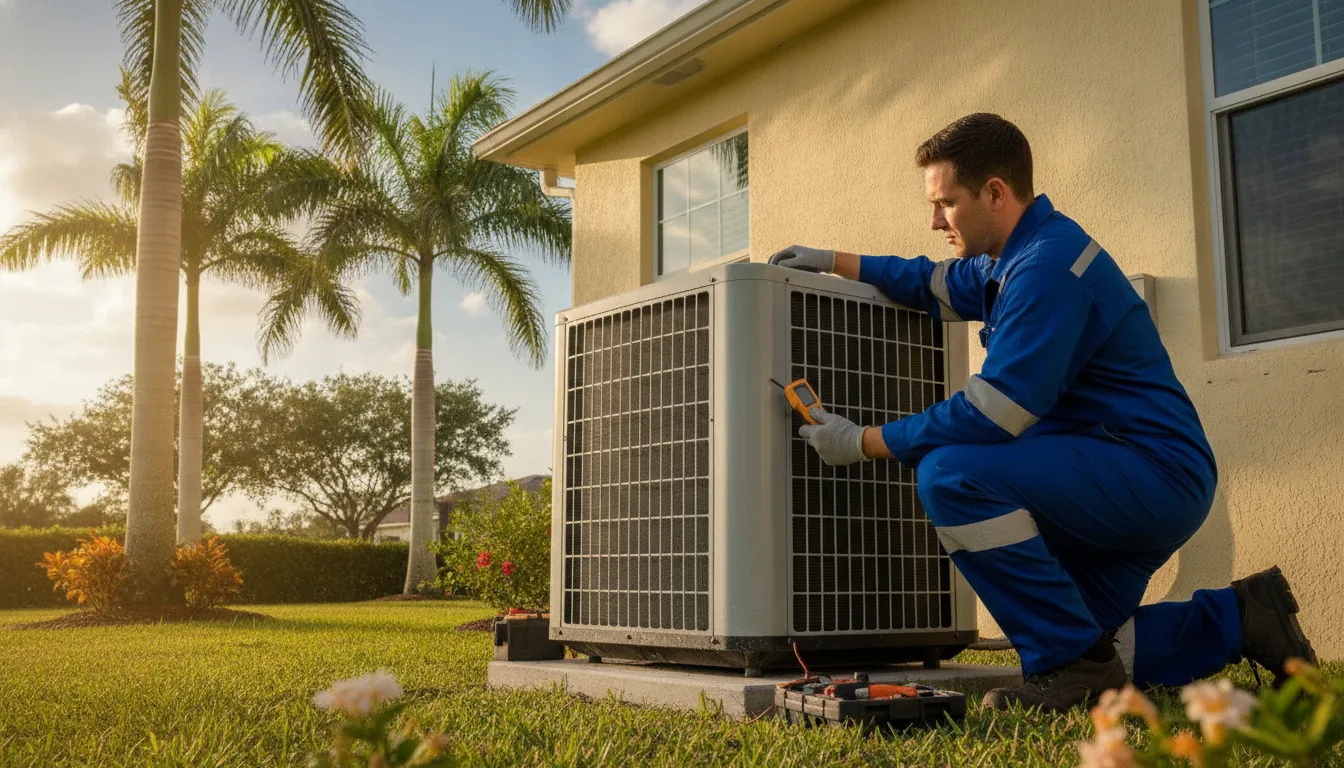
The right response is not to keep resetting the thermostat or wait for Monday if the home is losing cooling. A qualified technician can identify whether the problem involves an electrical connection, capacitor, compressor, refrigerant leak, or another failure that basic troubleshooting cannot resolve. Understanding why breakdowns often appear at inconvenient times helps you decide how quickly to act and what to expect when help arrives.
Why AC Failures Hit Hardest at Night and on Weekends
An air conditioner does not know that it is after business hours. During a Southwest Florida heatwave, it may run for most of the day and continue working hard after sunset as the home releases stored heat and humidity. That extended demand puts stress on motors, contactors, wiring, and capacitors. A component that was already weakening can finally fail after hours of continuous operation.
Capacitors and electrical connections are common weak points in an emergency cooling call. Florida's combination of heat and humidity can contribute to unexpected electrical and capacitor failures, according to the documented service research for this topic. When a capacitor loses the ability to start or support a motor, the outdoor unit may hum, stop, or fail to start at all. A system that has been cycling constantly through a hot spell may also trip a contactor or overheat an electrical component.
The timing feels sudden because many homeowners do not discover the problem until the house becomes uncomfortable. In the afternoon, the thermostat may still show a normal setting while the system struggles quietly. By midnight, indoor temperatures can climb enough to wake the family. At that point, the usual daytime service options may be closed, and waiting until Monday can mean a long period without reliable cooling. A sudden loss of cooling during a Florida summer can create heat-related health concerns, making prompt repair more than a convenience. Emergency AC service can help reduce downtime when cooling fails unexpectedly.
Why a weekend failure can become a bigger problem
Overnight and weekend failures are not necessarily more dramatic than weekday failures. They are harder because fewer people are available to notice early warning signs or arrange service. A homeowner may hear unusual cycling on Friday evening, then find a warm house on Saturday morning. If the system remains off in high heat, humidity can build indoors and the temperature can rise quickly, especially in rooms with poor airflow or direct sun.
Fast diagnosis helps separate a failed capacitor or electrical fault from a thermostat issue, airflow restriction, or more complex component problem. Keeping the outdoor unit clear and scheduling a pre-summer checkup can reduce avoidable strain. For broader general AC repair and maintenance services, a technician can identify developing problems before they become after-hours emergencies. When a failure does happen. 24/7 availability gives Florida homeowners a way to address critical cooling loss during the night or weekend instead of simply waiting for the next business day.
The Most Common After-Hours AC Emergencies in Florida
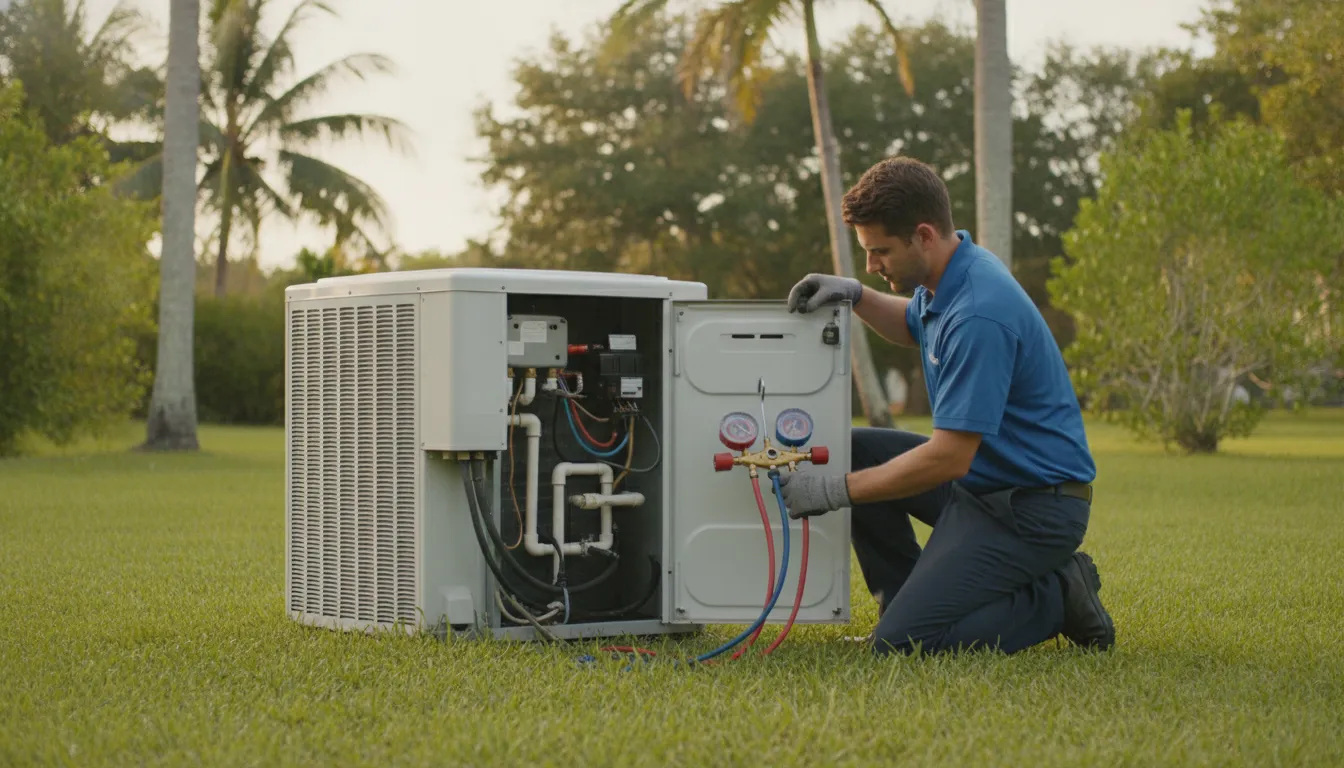
Florida air conditioners work through long stretches of heat and humidity, so a small weak point can become a complete cooling failure overnight. Higher operating demands increase the chance of breakdowns, especially when electrical components are already stressed. The most common after-hours problems include failed run capacitors, compressor trouble, refrigerant leaks, electrical faults, frozen coils, and thermostat control-board failures. A professional technician can use targeted diagnostics to identify the cause instead of guessing or recommending replacement prematurely.
Electrical and compressor failures
A failed run capacitor may leave the outdoor unit humming, struggling to start, or completely silent. Burned contactors, loose connections, and other electrical faults can produce similar symptoms. Florida heat and humidity can contribute to unexpected capacitor and connection failures, according to 5 Star Air's emergency repair guidance. Compressor failure or severe short-cycling also warrants prompt professional attention. Repeatedly resetting the breaker or continuing to run a system that cycles on and off can worsen the damage and create an electrical safety concern.
Refrigerant leaks and frozen coils
A refrigerant leak may show up as weak cooling, hissing sounds. Ice on the indoor coil or refrigerant line, or a system that runs constantly without reaching the thermostat setting. Frozen coils can also result from restricted airflow, making it important to identify the underlying problem rather than simply thawing the ice and restarting the unit. The EPA advises homeowners to have leaks located and repaired instead of repeatedly topping off a leaking system. Intentionally releasing refrigerant during service or repair is illegal, so this work belongs with a properly qualified professional. See the EPA guidance for homeowners for refrigerant handling requirements.
When is it truly an emergency?
Call for after-hours help when the home is rapidly heating, a vulnerable resident may be at risk. The system is making unusual electrical noises, there is a burning smell, water is spreading near electrical equipment, or the breaker keeps tripping. Sudden cooling loss during a Florida summer can create heat-related health risks, making prompt service more than a comfort issue. A thermostat board problem may leave the system unresponsive, but it is generally safe to wait until regular hours if the home remains comfortable. There are no safety symptoms, and a temporary fan or other cooling option is sufficient. Turn the system off and arrange service sooner if the temperature continues rising. For urgent failures, book 24 hour AC repair online rather than experimenting with electrical or refrigerant components.
| Call now for emergency 24 hour AC repair | It can usually wait until morning |
|---|---|
| Indoor temperature keeps rising or a vulnerable person is at risk | Home stays reasonably comfortable and no one is heat-sensitive |
| Burning smell, unusual electrical noise, or repeated breaker trips | System is unresponsive but the breaker holds and nothing smells unusual |
| Water pooling near electrical equipment or indoors | Only a slow, unfrozen coil issue with no water near wiring |
| Compressor short-cycling or the unit will not start at all | A temporary fan keeps the home livable overnight |
What to Do When Your AC Stops Cooling After Hours
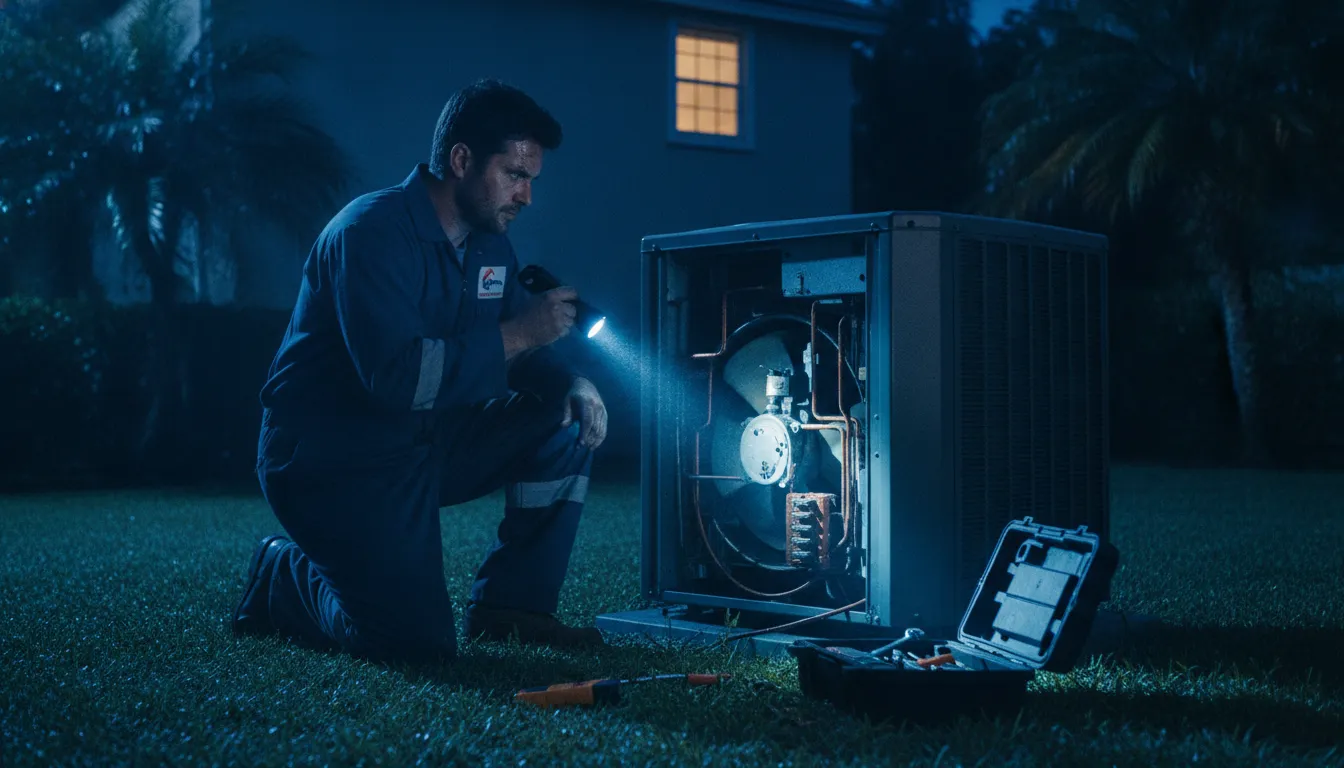
A warm house can become uncomfortable quickly during a Southwest Florida night. But a few safe checks may help you identify a simple issue before you call for emergency service. Work through these steps without opening the equipment or attempting an electrical or refrigerant repair.
Check the thermostat first
Confirm the thermostat is set to Cool, not Fan or Off, and lower the setpoint a few degrees below the current room temperature. If the display is blank, check whether its batteries need replacement. Give the system several minutes to respond. A thermostat setting can also provide an early sign that the system is not operating as expected, so note what the display shows before changing anything.
Look at the breaker without touching the equipment
If the indoor unit and outdoor condenser are both silent, check your electrical panel for a tripped air-conditioning breaker. If you can identify it safely, reset it once by moving it fully off and then back on. Do not repeatedly reset a breaker, remove electrical panels, or touch exposed wiring. A breaker that trips again is a reason to stop troubleshooting and call a licensed professional.
Inspect the filter and replace it if it is visibly dirty
Turn the system off before removing the filter. If it is heavily coated with dust, replace it with the correct size and airflow rating available for your system. Regular filter replacement improves airflow and helps prevent strain on the air conditioner. Never operate the system without a filter, and do not force a filter into the slot.
Check the outdoor condenser for obvious blockage
From a safe distance, look for leaves, grass, plastic, or other debris restricting the outdoor unit. Clear only loose material around the condenser, keeping your hands away from the fan, coils, and wiring. Do not spray water into the unit or dismantle the cabinet. Keeping the condenser free of debris helps reduce airflow restriction, especially when the system is working hard during a heatwave.
Reduce indoor heat while you decide what to do next
Close blinds and curtains, keep exterior doors shut, and avoid adding heat from ovens or other appliances. If anyone in the home is especially vulnerable to heat, arrange a cooler location rather than waiting in unsafe conditions.
Call a licensed 24-hour professional
If cooling does not return, or if you hear unusual sounds, smell burning. See water near electrical components, or notice repeated breaker trips, turn the system off and request 24 hour ac repair. Do not open a refrigerant circuit, add refrigerant, or attempt to repair the compressor or electrical components yourself. A licensed technician can diagnose the cause safely and explain the repair options.
Planning ahead can also reduce the chance of a weekend breakdown. Scheduling an AC check-up before Florida's summer peak can prevent many emergency repair situations, while replacing filters and keeping the condenser clear supports reliable operation.
How a 24 Hour AC Repair Service Actually Works
When your air conditioner stops working after normal business hours, the first step is a clear service request, not a rushed guess about what failed. You describe what you are seeing, such as warm air, unusual noises, water around the indoor unit, or a system that will not start. The dispatch team records those details and sends the call to an after-hours technician serving Southwest Florida. You can book your 24 hour AC repair online when it is convenient, including in the middle of the night.
Dispatch starts with a documented response plan
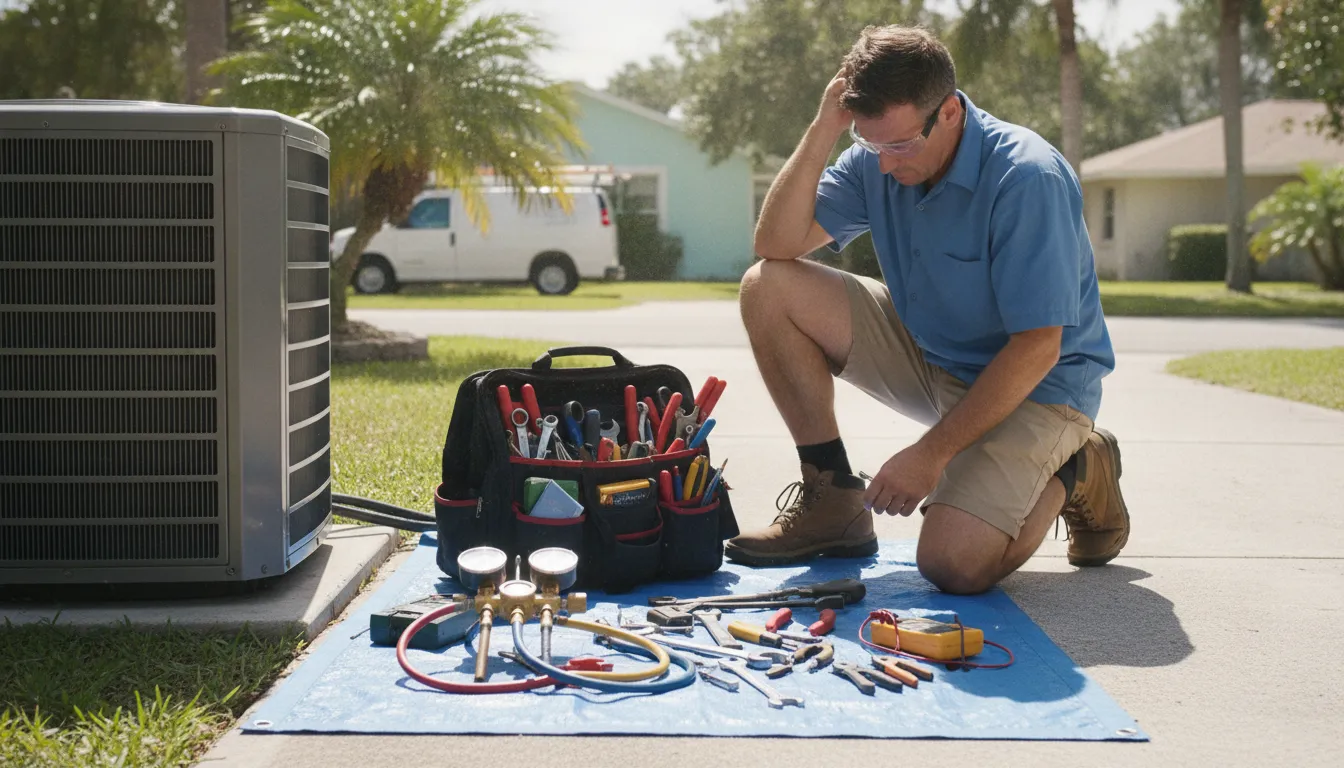
Reliable emergency service should give you more than a vague promise that someone will arrive when available. 5 Star Air documents a two-hour emergency response time, so the request has a defined timeline from dispatch through arrival. Around-the-clock availability also helps reduce downtime when a critical cooling failure occurs during a severe heatwave. In Florida, that timing matters because a sudden loss of cooling can allow indoor temperatures to rise quickly and may create heat-related health concerns.
The technician also receives the information gathered during the initial call. That helps the visit begin with the right context instead of making you repeat the entire story at the door. If the system is making an electrical sound, repeatedly tripping a breaker, or producing no airflow, those details can guide the first safety checks.
The technician diagnoses before recommending a repair
After arrival, the technician examines the system and tests the components that could explain the failure. Emergency cooling problems can involve electrical connections, capacitors, compressors, controls, airflow restrictions, or refrigerant issues. Florida heat and humidity can contribute to unexpected capacitor and electrical failures, so a visual inspection alone is not enough.
Advanced diagnostic tools can reduce the time needed to identify the problem and restore cooling. The goal is a repair-first diagnosis: find the failed component, explain the condition clearly, and recommend the repair that addresses it. There is no commission-based incentive to push an unnecessary replacement. If replacement is not needed, the focus stays on returning the existing system to dependable operation.
When refrigerant is involved, proper service matters. The EPA advises homeowners to choose technicians with the required Section 608 certification for applicable equipment. A qualified technician should investigate the cause of a leak rather than simply adding refrigerant without addressing the underlying problem.
You receive written records after the visit
Once the work is complete, the service details should be documented. The record can identify the diagnosis, repairs performed, parts used, and recommended follow-up. That documentation supports warranty claims and helps preserve useful maintenance records if you sell the home later. It also gives you a clear reference if the system shows a related symptom in the future. Instead of leaving you to rely on memory after a stressful overnight breakdown.
How to Choose a Reliable 24 Hour AC Repair Company in Southwest Florida
When your air conditioner fails after hours, the first available company is not always the right company. In Southwest Florida, look for an HVAC contractor that can respond quickly without turning an emergency into a high-pressure replacement pitch. A dependable provider should make the repair process clear before work begins and give you enough information to make a sound decision.
Verify qualifications and insurance
Ask whether the technician is licensed, insured, and properly trained for the work your system needs. If refrigerant service may be involved, confirm that the technician has EPA Section 608 certification. The EPA specifically advises homeowners to make sure technicians have the required certification before servicing equipment containing HCFC-22. Review the EPA guidance on choosing an AC technician before approving refrigerant work.
Insurance also matters. It helps protect you if an accident occurs on your property, while licensing shows that the contractor is accountable to applicable professional requirements. A reputable company should answer these questions directly instead of becoming vague when you ask for documentation.
Look for pricing and recommendations you can understand
Emergency service should not mean a blank check. Before authorizing a repair, ask what the diagnostic or service fee covers. Whether pricing is flat for the recommended work, and whether any after-hours charges or additional fees apply. The estimate should identify the problem, the proposed repair, and the total expected price in plain language. Be cautious if a technician recommends replacing the entire system before testing the failed component.
A repair-first company separates diagnosis from sales. At 5 Star Air, technicians are hourly-paid rather than commission-based, so they do not earn more by pushing a replacement or adding unnecessary work. The goal is to restore reliable cooling when a repair is practical, while explaining honestly when a larger decision deserves consideration. You can learn more about 5 Star Air and its approach to service.
Confirm response commitments and follow-through
Ask how quickly the company expects to arrive and whether that promise applies to your location. 5 Star Air serves Southwest Florida and the Florida Keys with 24/7 emergency service and a documented two-hour emergency response capability. Local presence can make a meaningful difference when temperatures are rising overnight or during a weekend heat event.
Finally, ask what happens after the repair. A 100% satisfaction guarantee gives you a clear path if the completed work does not meet expectations. Request an itemized invoice and service record as well. Professional repair documentation can be important for warranty claims and may support the home's records if you later sell the property. The emergency AC repair guide provides additional context on after-hours service.
Florida Heat and Humidity Make Fast Repair a Safety Issue
In Southwest Florida, a failed air conditioner is not always a comfort problem that can wait until morning. HVAC systems face higher operating demands here, especially during the hottest part of summer, so a loss of cooling can become more serious as indoor temperatures rise. A sudden loss of cooling in a Florida home can contribute to heat-related health issues, making prompt professional attention a reasonable safety decision, not an overreaction.
That concern is greatest for older adults, young children, people with chronic health conditions, and anyone who cannot easily relocate to a cooler place. If the home is becoming dangerously hot, move occupants to an air-conditioned location when possible. Close blinds and curtains, limit activity, and avoid relying on fans as a substitute for air conditioning when indoor heat is severe. Fans may improve comfort temporarily, but they do not remove heat from the room.
Humidity creates a second risk after storms or water intrusion
Florida heat is only part of the problem. High humidity also makes moisture control essential. After a storm, flooding, or significant water intrusion, an HVAC system may contain damp insulation, coils, ductwork, or other materials where mold can develop. The CDC specifically advises homeowners to check HVAC systems for mold after severe weather events and natural disasters. The CDC's HVAC guidance is especially relevant when a system has been off or exposed to floodwater.
Do not restart equipment that has been submerged or visibly contaminated without professional evaluation. Running a compromised system can spread contaminated air through the home or create additional electrical hazards. A qualified technician can determine whether the equipment is safe to operate, whether moisture has reached internal components, and what needs to be cleaned, repaired, or replaced. If mold is visible, avoid disturbing it while waiting for appropriate guidance.
Why overnight response matters
Fast response reduces the time a household spends in unsafe heat and limits the period during which indoor moisture remains uncontrolled. It also allows a technician to address a failure before continued operation, repeated cycling, or improvised troubleshooting causes additional damage. For that reason, 24 hour ac repair is about protecting people and the home when cooling fails outside normal business hours. The right priority is a safe assessment, a clear explanation of the problem. And a repair decision based on the condition of the system, not pressure to purchase equipment.
Preventing Future After-Hours AC Breakdowns
Florida's heat puts extra demand on an air conditioner, especially during the summer peak. A few consistent maintenance habits can reduce the chance that a small restriction, worn component, or refrigerant problem turns into a 2am loss of cooling.
Keep airflow moving
Replace the air filter regularly, following the filter manufacturer's guidance and checking it more often during heavy-use periods or dusty conditions. A loaded filter restricts airflow, makes the system work harder, and can contribute to strain on the equipment. This is one of the simplest steps a homeowner can take to support reliable cooling.
Also look at the outdoor condenser before the season gets intense. Remove leaves and loose debris from around the unit, and keep grass, weeds, and overgrowth from restricting airflow. A clear condenser can operate more efficiently during a heatwave, when the system may run for long periods. If you notice unusual cycling, weak airflow, or cooling that no longer matches the thermostat setting, schedule a diagnostic visit instead of waiting for a complete failure.
Schedule a pre-summer checkup
Book a professional tune-up before Florida's peak cooling season, rather than waiting until the first extreme-weather stretch. A technician can identify weak electrical connections, inspect capacitors, check refrigerant lines, and spot other developing problems. Capacitors and electrical components can fail unexpectedly in Florida's heat and humidity. So addressing a worn part early is generally less disruptive than discovering it after the system stops cooling overnight.
Regular maintenance also supports efficiency. A well-maintained air conditioner uses less electricity, which matters when cooling demand and summer utility bills are at their highest. For broader upkeep and repair options, see our general AC repair services.
Do not treat refrigerant leaks as a refill-only problem
If a system is low on refrigerant, ask the technician to locate and repair the leak instead of simply topping off the charge. The U.S. Environmental Protection Agency recommends leak repair because it can reduce repeat service calls, future repair costs, and operating costs while improving system performance. Refrigerant should be handled according to applicable requirements, and a proper diagnosis is more useful than a temporary refill: the EPA explains the homeowner guidance here.
These steps cannot prevent every breakdown, but they improve your odds during the hardest weeks of the Florida summer. If your system is already showing warning signs, arranging repair now is safer and more predictable than waiting for an after-hours emergency.
Book your 24 hour AC repair with 5 Star Air today and stay comfortable through the hottest hours of the Florida summer.
Frequently Asked Questions
Is a broken AC an emergency in Florida?
It can be, especially during summer heat when indoor temperatures rise quickly or someone in the home is particularly vulnerable to heat. A sudden loss of cooling can contribute to heat-related health issues, so do not wait if the home is becoming unsafe. Learn more about Florida AC emergencies.
What should I check before calling for after-hours AC repair?
Confirm that the thermostat is set to cooling, replace a severely dirty filter if you have a safe replacement available, and check whether the HVAC breaker has tripped. Do not repeatedly reset a breaker, open electrical panels, handle refrigerant, or attempt a compressor repair. If the system still will not cool, professional diagnosis is the safest next step.
How much does an emergency AC visit cost?
The price depends on the problem, the equipment, the parts required, and the work needed to restore reliable cooling. A capacitor replacement and an electrical fault are different repairs, for example. Ask what the visit includes, whether diagnostic charges apply, and what the repair will cost before authorizing work. A transparent technician should explain the findings and repair options clearly.
Can an AC technician repair a refrigerant leak during an emergency visit?
A qualified technician can inspect the system, locate the cause, and recommend the proper repair. Do not settle for simply adding refrigerant to a leaking system. The EPA advises homeowners to request that leaks be located and repaired instead of having the system repeatedly topped off. EPA guidance also explains that refrigerant service requires appropriate certification.
Get 24 Hour AC Repair in Southwest Florida When You Need It Most
When your air conditioning quits at midnight or on a weekend in the middle of a Florida summer, you should not have to wait until Monday. 5 Star Air keeps emergency crews on call around the clock. Serving Southwest Florida communities and the Florida Keys with a documented response commitment when you need cooling restored fast.
Every technician is EPA Section 608 certified, paid hourly instead of on commission, and focused on honest, repair-first work. No high-pressure sales, no hidden fees, no unnecessary replacement recommendations. If your system can be fixed, they will fix it the right way the first time.
Book your 24 hour AC repair online now and get fast, honest emergency service. For assistance, call the 5 Star Air team today.