Emergency Air Conditioner Repair in Southwest Florida
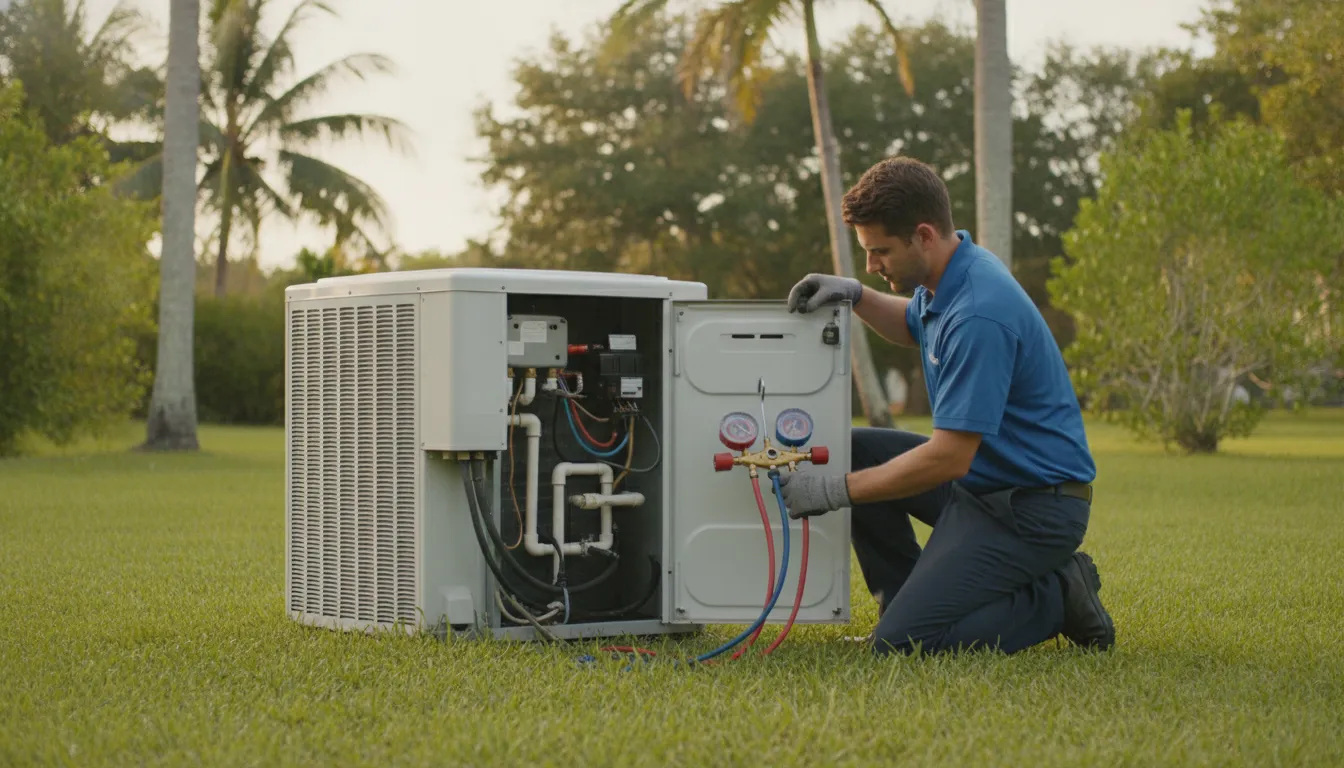
When Southwest Florida heat and humidity overwhelm a home, a broken air conditioner is more than an inconvenience. Indoor temperatures can rise quickly, especially for older adults, young children, and anyone with health conditions. If someone shows signs of heat illness, move them to a cool place and seek medical care. The CDC explains that heat stroke requires immediate emergency treatment.
Emergency air conditioner repair is warranted when the system stops cooling completely, loses cooling severely, produces a burning smell, or presents a possible electrical hazard. In extreme heat, call promptly rather than waiting for a routine appointment, and move vulnerable household members to a cooler location while help is on the way.
Before you call, a few safe checks may restore airflow or reveal a simple cause. But Florida-specific risks, including frozen lines, refrigerant problems, and electrical faults, require professional assessment. The next step is knowing which symptoms make an AC failure an immediate safety concern.
Schedule 24/7 emergency air conditioner repair with 5 Star Air today, or call (239) 282-2222 for immediate help in Southwest Florida and the Florida Keys.
What Counts as an Air Conditioner Emergency in Florida Heat?
Florida heat changes the urgency of an air conditioning problem. A system that is inconvenient on a mild day can become a health and safety concern when indoor temperatures climb. Humidity remains high, or someone in the home is especially vulnerable to heat. In practical terms, an AC emergency is a failure that leaves you without meaningful cooling, creates an electrical hazard, or puts people at immediate risk.
Total Loss of Cooling Is More Than an Inconvenience
If the system stops running completely on a hot Florida afternoon, or it runs without lowering the temperature, treat the situation seriously. Total system failure and severe cooling loss are commonly recognized reasons to seek emergency service, especially when the forecast calls for sustained heat. A professional can determine whether the cause is a failed component, loss of power, airflow restriction, or another issue that should not wait for a routine appointment. The emergency repair definition used by F.H. Furr similarly includes total failure and severe loss of cooling.
Electrical Warning Signs Require Immediate Caution
Stop using the system and arrange professional help if you notice a burning smell, smoke, sparking, repeated breaker trips, or other signs of an electrical problem. Do not keep resetting a breaker that trips again, and do not open electrical panels or attempt to diagnose energized equipment. Dangerous electrical issues can damage the system or create a fire risk, so they belong in the emergency category even if the house still feels moderately cool.
Protect People While Help Is on the Way
Air conditioner failure becomes more urgent when anyone develops signs of heat illness, including confusion, fainting, unusual weakness, or very hot skin. The CDC identifies heat stroke as the most serious heat-related illness and warns that it requires immediate emergency medical care because it can cause permanent disability or death. Call 911 for suspected heat stroke. Move the person to a cool or shaded area, remove excess clothing, and cool them quickly with a cold bath or cold compress while waiting for help. Do not delay medical care to wait for an AC technician. CDC heat-illness guidance provides the full warning signs and first-aid recommendations.
During a power outage, a failed air conditioner may not be repairable until utility service returns. If the home becomes dangerously hot, the CDC recommends seeking shelter with friends or at a community shelter. Keep children, older adults, pets, and people with medical conditions in a cooler environment whenever possible. Once immediate safety is handled, schedule emergency air conditioner repair for the underlying cooling problem rather than continuing to rely on temporary fixes.
Signs You Need Emergency Air Conditioner Repair
Florida heat can turn a cooling problem into a safety concern quickly. Some AC symptoms point to a system that needs professional assessment now, rather than a repair you can reasonably postpone. Pay attention to how suddenly the problem began, whether the home is becoming dangerously hot, and whether you notice signs of electrical or refrigerant trouble.
Warm air from the vents
If the system is running but the vents deliver warm or room-temperature air. Check whether the thermostat is set to cool and whether the indoor temperature continues to rise. Warm air may result from a failed component, restricted airflow, a refrigerant problem, or an outdoor unit that is no longer operating. Severe cooling loss or a total system failure is generally treated as an emergency, especially during a Southwest Florida heat wave. Do not wait for the house to become unbearable if anyone inside is an older adult, a young child, or medically vulnerable.
Frozen evaporator lines or a coil
Ice on the refrigerant line, indoor coil, or surrounding cabinet is not proof that the system needs more refrigerant. It can signal restricted airflow, a dirty filter, a blower problem, or a refrigerant issue. Turn the system off and let the ice thaw rather than repeatedly forcing the AC to run. Continuing to operate a frozen system can worsen the underlying failure and leave you without cooling when you need it most. If the ice returns after a basic filter check, schedule prompt professional service.
Burning smells or signs of electrical trouble
A sharp burning odor from the indoor unit, vents, or electrical panel deserves immediate attention. It may indicate an overheated wire, motor, capacitor, or another electrical fault. Burning smells and dangerous electrical issues are recognized warning signs for emergency AC repair. Turn the system off. If you see smoke, sparks, or signs of fire, leave the area and call emergency services. Never open an electrical panel or attempt to repair wiring yourself.
Hissing, ice, or suspected refrigerant leaks
A hissing sound near the indoor or outdoor equipment, oily residue, poor cooling, and recurring ice can accompany a refrigerant leak. Refrigerant work requires specialized equipment and safe handling, so do not try to release, recharge, or patch the system yourself. Turn the unit off if it is struggling to cool and ask a qualified technician to identify the source and explain the repair.
No airflow from the vents
When the blower runs but little or no air reaches the rooms, the cause may be a clogged filter, collapsed duct, failed blower motor, or frozen coil. Check that supply vents are open and that the filter is not severely blocked. If airflow remains absent, or if the system is making unusual noises, arrange an assessment before the failure spreads.
Protect people first while help is on the way. The CDC warns that heat stroke requires immediate emergency medical care and recommends moving an overheated person to a cool area and cooling them quickly. If a power outage or AC failure makes indoor conditions unsafe, seek a cooler location or community shelter instead of waiting in dangerous heat.
Immediate AC Troubleshooting Before Calling for Help
A complete air conditioner failure on a hot Florida day deserves prompt attention. But a few safe checks may restore cooling or clarify what the technician will need to address. These steps are limited to homeowner-level observations and resets. If you feel unsure at any point, calling for emergency air conditioner repair is always a reasonable choice. Especially when indoor temperatures are rising or someone in the home is vulnerable to heat.
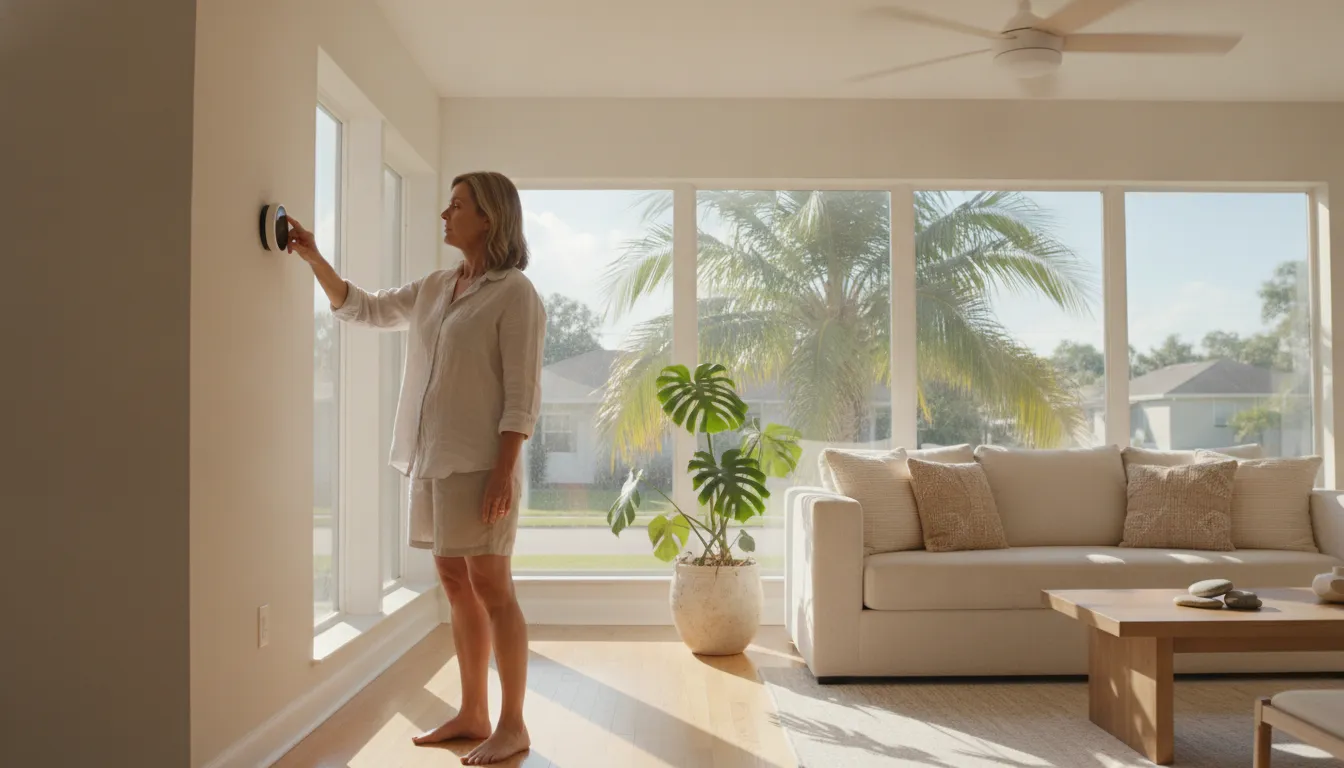
- Check the thermostat. Confirm the mode is set to Cool, not Off, Heat, or Fan. Set the temperature several degrees below the current room temperature and verify that the display is on. If the thermostat uses batteries, replace them if the screen is blank or fading. Give the system a few minutes to respond rather than repeatedly changing the setting.
- Inspect the air conditioner's circuit breaker. Look at the electrical panel for a breaker labeled AC, air conditioner, or HVAC that has moved to the middle or Off position. If there are no burning smells, sparks, smoke, or signs of damage, switch it fully Off and then back On once. Do not keep resetting a breaker that trips again. Repeated trips can indicate an electrical fault that needs professional diagnosis.
- Look at the air filter. A visibly clogged filter can restrict airflow and contribute to poor cooling or icing. If the filter is dirty and you have the correct replacement, turn the system off. Replace it with the same size and airflow rating, and close the access panel securely. Never operate the system without a filter. A new filter will not fix a refrigerant, electrical, or mechanical failure, so continued trouble still warrants a service call.
- Open the supply vents. Check that registers in the rooms you need to cool are open and not blocked by furniture, rugs, or boxes. Also make sure return-air grilles are unobstructed. This simple check can improve circulation, but it will not correct a system that is producing no cool air or has stopped running.
- Shut the unit down if the lines are frozen. Frost or ice on the refrigerant line or indoor coil is a reason to turn the AC off and let it thaw for roughly 20 to 30 minutes. You may run the fan only if the system allows it, but do not chip at the ice or use a flame or heat gun. Frozen lines can result from airflow problems or refrigerant issues, neither of which should be repaired casually.
Do not attempt to add or recover refrigerant, open sealed refrigerant circuits, repair wiring, or troubleshoot energized electrical components. Compressor repairs also require specialized tools and testing. These jobs can cause injury, damage the equipment, or create a fire risk. A professional can determine whether the failure is a simple control problem or a more serious loss of cooling. Total system failure and severe cooling loss are commonly treated as emergencies, particularly during extreme heat (emergency repair guidance).
If the home becomes dangerously hot, do not wait for troubleshooting to succeed. Move children, older adults, pets, and anyone feeling ill to a cooler location, and seek shelter elsewhere if necessary. Knowing what you can safely check helps you make a faster decision about when to call for emergency air conditioner repair.
Refrigerant Leaks, Frozen Lines, and Other Florida-Specific Failures
Southwest Florida puts air conditioning equipment under sustained pressure. Long cooling cycles, high outdoor temperatures, heavy humidity, and salt air near the coast can turn a small defect into a fast-moving loss of comfort. A system that seems merely weak in the morning may be unable to keep up by afternoon, especially when indoor temperatures are already climbing. That is why these problems can become emergency air conditioner repair situations during the hottest part of the year.
Refrigerant leaks reduce cooling quickly
A refrigerant leak may produce a hissing or bubbling sound near the indoor coil, outdoor unit, or refrigerant lines. You may also notice ice forming on the larger copper line or evaporator coil, weak airflow from the vents, or rooms that never reach the thermostat setting. As cooling capacity falls, the system may run for longer periods and use more electricity while delivering less comfort.
Ice does not mean the system needs more refrigerant as a quick fix. Refrigerant circuits are sealed, so a qualified technician should locate and repair the leak, then measure and charge the system correctly. Continuing to run the equipment can add strain and may allow a manageable repair to become a larger failure. Turn the system off if it is icing heavily, and arrange professional assessment rather than attempting to handle refrigerant yourself.
Humidity and low airflow can freeze the evaporator coil
Florida humidity increases the moisture load that the indoor coil must remove. If airflow is restricted by a heavily loaded filter, blocked return, closed vents, or a blower problem, the coil can become too cold and freeze. The result may be a layer of ice, water around the air handler after thawing, or little air coming from the registers.
Check whether the filter is visibly dirty and make sure supply vents and return grilles are open. If the coil is frozen, shut off cooling and allow it to thaw rather than scraping at the ice or repeatedly restarting the unit. A technician still needs to identify why freezing occurred. The cause may be airflow, refrigerant loss, or another component problem, and treating only the visible ice will not restore dependable cooling.
Heat load and salt air add further stress
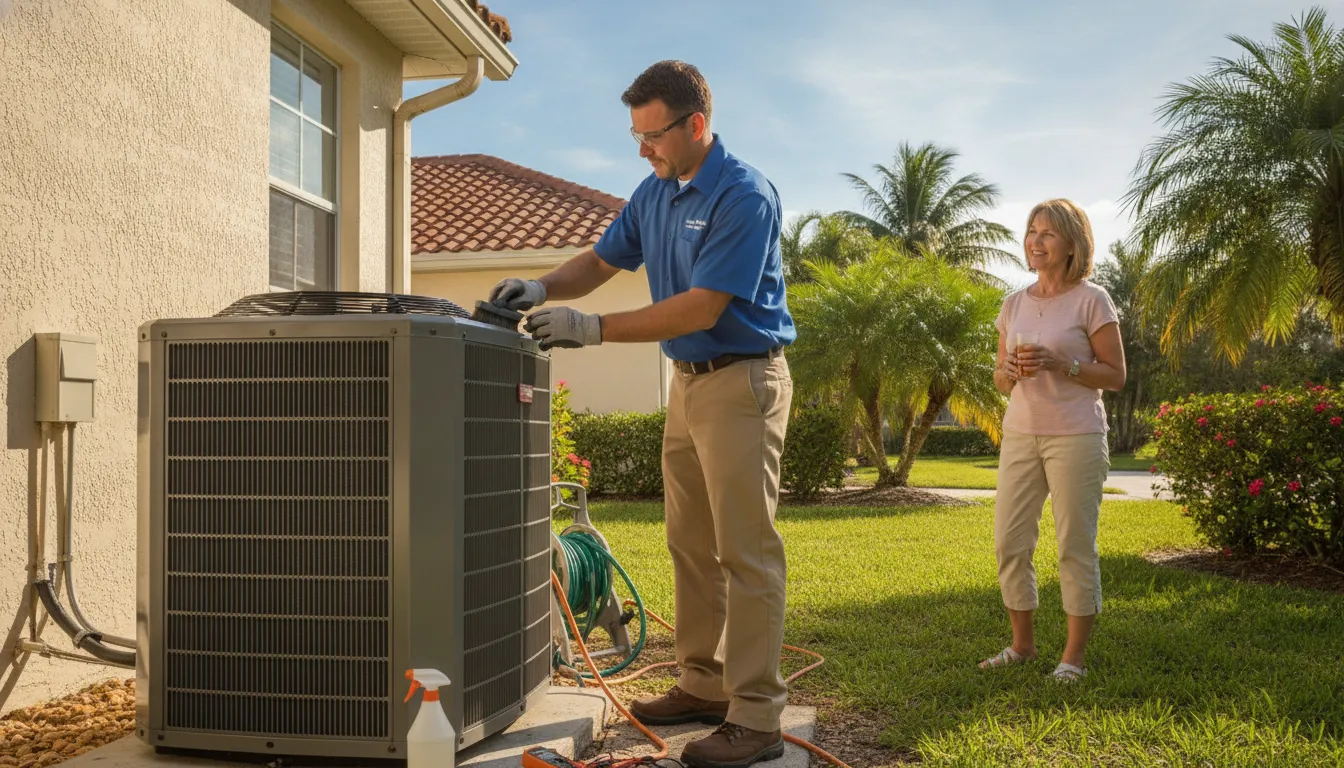
When outdoor temperatures stay above 90 degrees, the compressor has to reject heat while the home is absorbing more heat through its roof, windows, and walls. A weak capacitor, dirty outdoor coil, or failing electrical component can leave the compressor straining until the system trips, stops cooling, or will not restart. Do not repeatedly reset a breaker if it trips again. That pattern can point to an electrical or compressor issue that needs prompt evaluation.
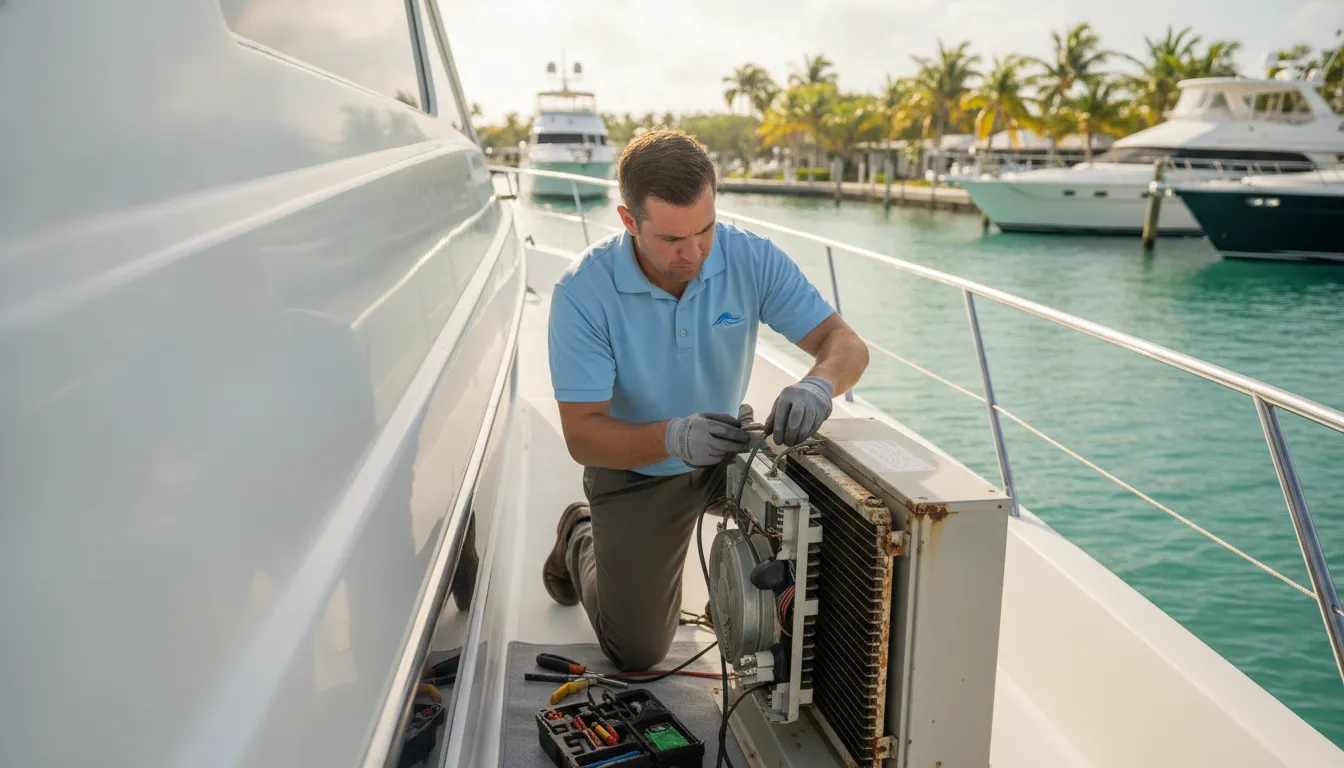
Homes near the Gulf and other coastal areas face another challenge: salt-laden air can accelerate corrosion on outdoor coils, terminals, fasteners, and electrical connections. Corrosion may create leaks or unreliable connections that worsen gradually, then fail during peak demand. If you hear hissing, see ice, smell burning, lose cooling, or notice repeated shutdowns, treat the condition seriously. In extreme heat, prompt professional help protects both the equipment and the people inside the home.
When to Call a Professional (and When You Can Wait)
Not every air conditioning problem requires a technician at midnight. A system that is still cooling unevenly, making a mild unfamiliar noise. Or producing a small drainage issue may be able to wait for a routine appointment, especially if indoor temperatures remain comfortable. However, delaying a serious failure can increase discomfort, damage, or safety risk in Southwest Florida heat.
Call for emergency air conditioner repair immediately when the system stops cooling during extreme heat and a vulnerable person is in the home. Including an older adult, infant, or someone with a medical condition. Heat stroke is the most serious heat-related illness and requires immediate medical care, according to the CDC. If anyone shows signs of heat illness, move them to a cool area and use cold water or cold compresses while seeking medical help. If a power outage leaves the home dangerously hot, the CDC recommends seeking shelter with friends or at a community shelter.
Call right away for safety concerns
Do not wait for a convenient appointment if you notice a burning smell, smoke, sparking, or a breaker that trips repeatedly. These symptoms can point to a dangerous electrical problem. Turn off the system if it is safe to do so, keep clear of exposed wiring, and arrange professional help. A suspected refrigerant leak also deserves prompt attention. Do not handle refrigerant or open sealed components yourself. A trained technician can identify the source, protect the system, and determine whether the repair can be completed safely.
Total system failure, severe cooling loss, or no meaningful airflow are also strong reasons to call. Emergency repair guidance commonly treats these conditions, along with burning smells and electrical issues, as situations requiring immediate assessment. You can review what a visit may involve through our guide to professional air conditioner repair.
When waiting for routine service makes sense
A routine visit may be reasonable when the AC continues to cool the home, no electrical warning signs are present, and everyone can remain comfortable and safe. Schedule maintenance for gradual performance changes, an aging filter, minor temperature differences between rooms, or recurring issues that are not worsening. Routine maintenance and emergency repair serve different purposes: one helps prevent failures, while the other addresses an immediate loss of cooling or a safety concern.
After-hours and emergency appointments typically cost more because pricing can reflect the nature of the failure and after-hours service requirements. The table below can help you weigh a call now against waiting for routine service.
| Call now for emergency AC repair | Can often wait for routine service |
|---|---|
| Complete loss of cooling in extreme heat | Cooling works but a room is slightly warmer |
| Burning smell, smoke, or sparking | Mild unfamiliar but non-worsening noise |
| Breaker trips repeatedly | Addressed at your next scheduled visit |
| Suspected refrigerant leak or icing | Filter simply due for replacement |
| Vulnerable person in the home with no cooling | Everyone is comfortable and safe |
Before authorizing work, ask what the diagnostic or service charge includes and request a clear explanation of recommended repairs. For planning purposes, see our overview of the cost of AC repair. The goal is not to call for every small symptom. It is to act quickly when heat, electrical danger, or a failing system makes waiting the riskier choice.
What to Expect From a 24/7 Emergency AC Repair Visit
When your air conditioner stops working after hours, the first priority is a clear plan. A 24/7 emergency service visit should begin with a conversation about what happened, when the problem started. And whether there are warning signs such as burning odors, electrical issues, water leaks, or a complete loss of cooling. These details help the technician prepare for the most likely problem before arriving.
5 Star Air provides 24/7 emergency service throughout Lee, Collier, and Charlotte counties and the Florida Keys, with a typical response time of roughly two hours. Response times can vary with demand, weather, traffic, and the severity of other calls, but the goal is to get help moving quickly when indoor temperatures are rising. The company has served more than 5,000 customers across the region.
A focused inspection before any repair
Once on site, the technician should inspect the system rather than guess at the cause or recommend replacement before understanding the failure. That may include checking the thermostat, electrical components, airflow, filters, outdoor equipment, refrigerant-related symptoms, and signs of water damage. The technician will explain what was found, what needs attention immediately, and what can safely wait until regular service.
5 Star Air follows a repair-first approach. Its technicians are hourly paid and do not work on commission, which supports straightforward recommendations instead of pressure to sell equipment or add unnecessary work. You should receive an honest explanation of the available repair options, the expected result, and the cost before approving the work. If a repair is not the best long-term choice, that conversation should be based on the system's condition and your needs, not a sales quota.
Clear communication from arrival to completion
Emergency service does not mean skipping professionalism. Ask questions, request an explanation of unfamiliar terms, and confirm what is included before work begins. After the repair, the technician should test the system, confirm that it is cooling properly, and explain any follow-up maintenance or monitoring that may prevent another failure. You can learn more about 5 Star Air, its service approach, and its A+ BBB rating, or review the company's HVAC services for ongoing help.
Call 5 Star Air now for 24/7 emergency air conditioner repair and help restoring comfort to your home.
Frequently Asked Questions
What counts as an AC emergency?
Total system failure, severe loss of cooling during extreme heat, burning smells, or suspected electrical trouble should be treated as urgent. Turn the system off if you smell burning or see signs of an electrical problem, and move anyone vulnerable to a cooler location while arranging professional help.
How much does emergency AC repair cost?
There is no single emergency repair price. The cost depends on the failed component, the work required, parts, and whether after-hours service fees apply. A reputable technician should explain the diagnosis and recommended repair before work begins, so you can make an informed decision.
Can I troubleshoot my AC before calling for emergency repair?
Yes, if there is no burning smell, exposed wiring, or other safety concern. Confirm the thermostat is set to cooling, check that the breaker has not tripped, replace a heavily clogged filter, and make sure supply vents are open. Do not open refrigerant lines or attempt electrical repairs yourself.
Is 24/7 emergency AC repair really available?
Availability depends on the company, service area, and the type of issue. Ask whether overnight calls are handled by an on-call technician and what response window to expect. 5 Star Air provides 24/7 emergency service across Southwest Florida, including Lee, Collier, and Charlotte counties and the Florida Keys.
What is the difference between standard and emergency AC repair?
Standard repair generally covers problems that can wait safely for a scheduled appointment, such as reduced performance without a complete loss of cooling. Emergency repair is appropriate when heat, electrical danger, total failure, or potential property damage requires prompt attention.
Schedule Emergency Air Conditioner Repair
When your Southwest Florida home loses reliable cooling, a prompt evaluation can help identify the problem and restore comfort safely. 5 Star Air takes a repair-first approach for urgent AC issues, with service available around the clock. Call 5 Star Air now for 24/7 emergency air conditioner repair by using the emergency service scheduling page. You can also call (239) 282-2222 if speaking with the team is easier.