What Does an HVAC Maintenance Plan Include?
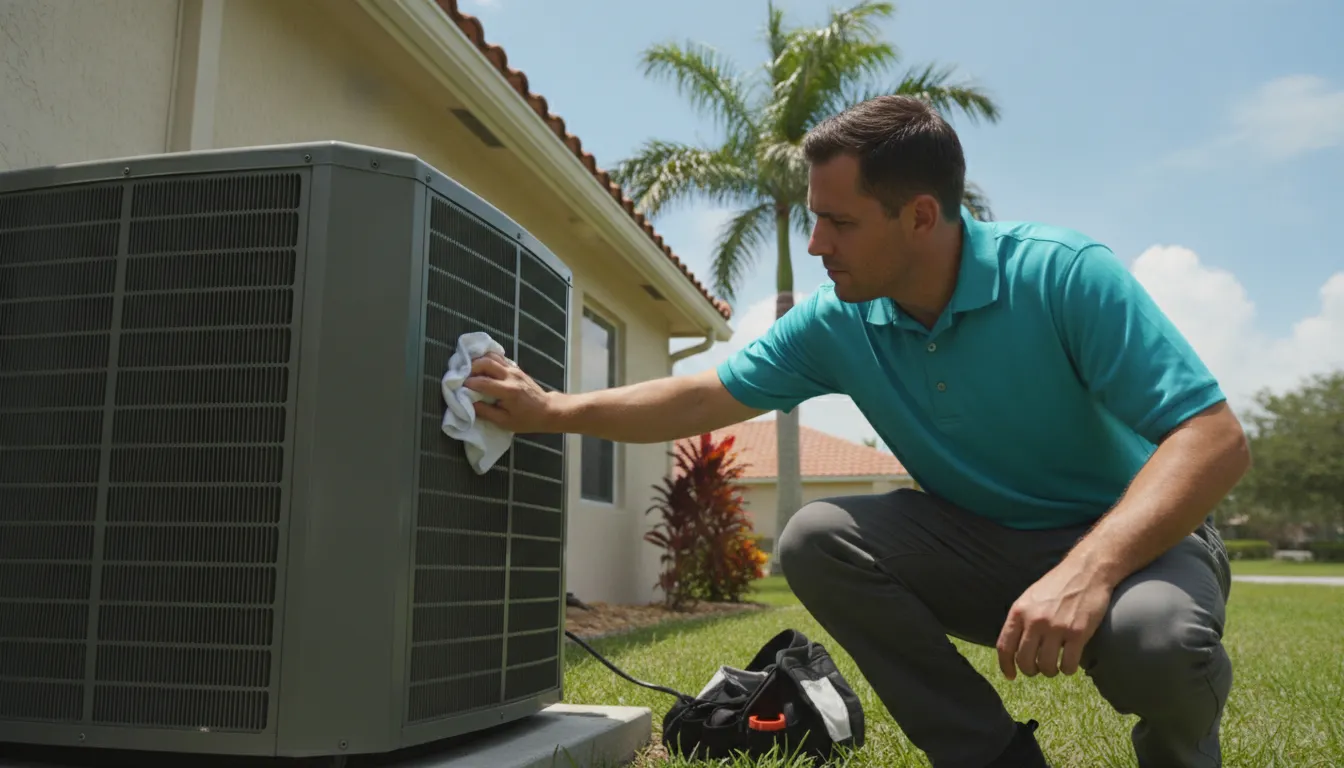
In Southwest Florida, your air conditioner works through long, hot, humid seasons. A maintenance plan is meant to keep that workload manageable by pairing routine inspections with cleaning, adjustments, and early attention to developing problems. It is different from calling for help only after the system stops cooling.
Knowing what does an hvac maintenance plan include helps you compare service agreements clearly. A typical visit may cover the thermostat, electrical connections, blower, coils, airflow, filter, refrigerant, drain line, and safety controls. Most homeowners schedule maintenance twice a year, usually before the cooling and heating seasons.
The details can vary by company and equipment, so ask what is included, what requires a separate repair, and whether the plan covers one-time or recurring visits. A straightforward inspection should help you understand your system's condition without pressure to replace equipment. Here is what a thorough plan commonly addresses.
Schedule a preventive HVAC maintenance visit with 5 Star Air today
What Does an HVAC Maintenance Plan Include?
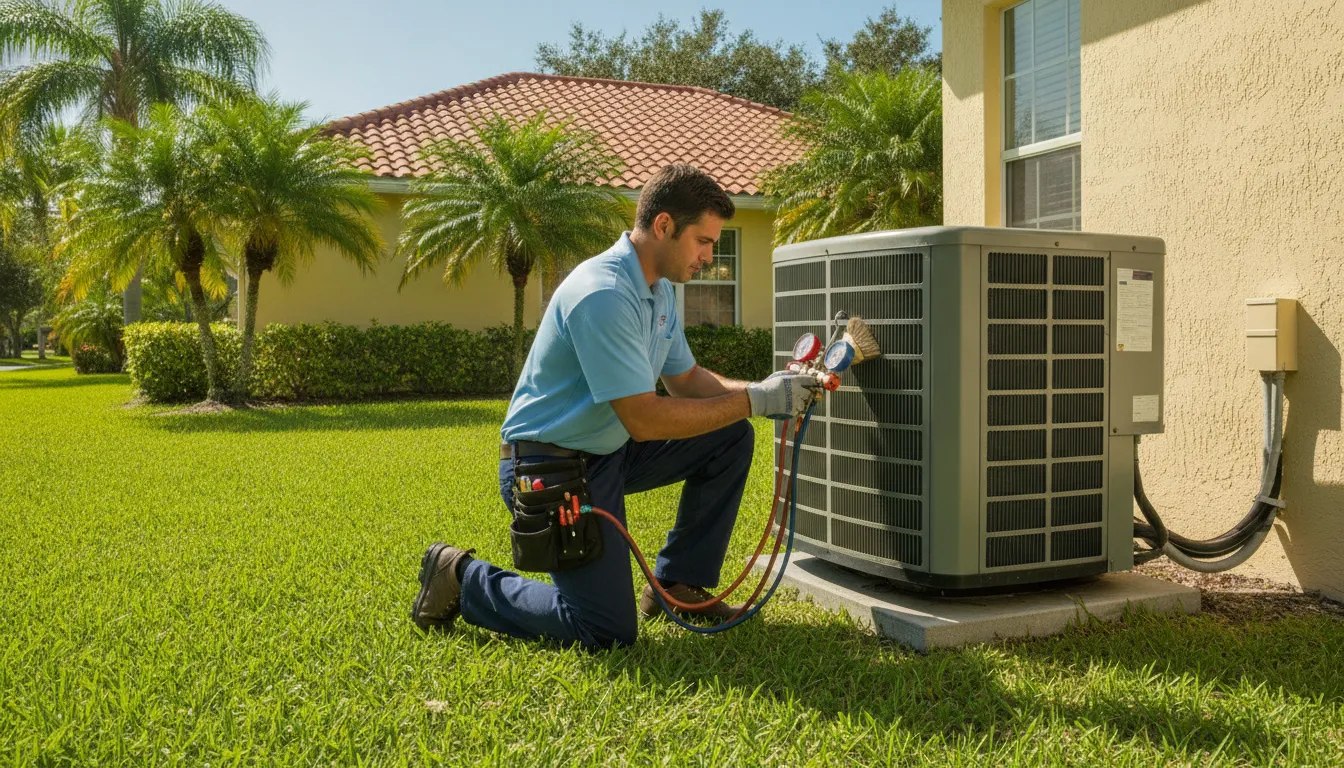
A recurring HVAC maintenance plan usually combines inspection, cleaning, testing, and small adjustments during scheduled visits. The goal is to understand the system's condition before a minor issue becomes a larger repair. A typical plan includes a thermostat check, inspection of electrical connections, and a review of key components such as the blower and safety controls. The exact checklist can vary by equipment type, but the work should be specific enough that you know what the technician is evaluating.
Thermostat, electrical, and safety checks
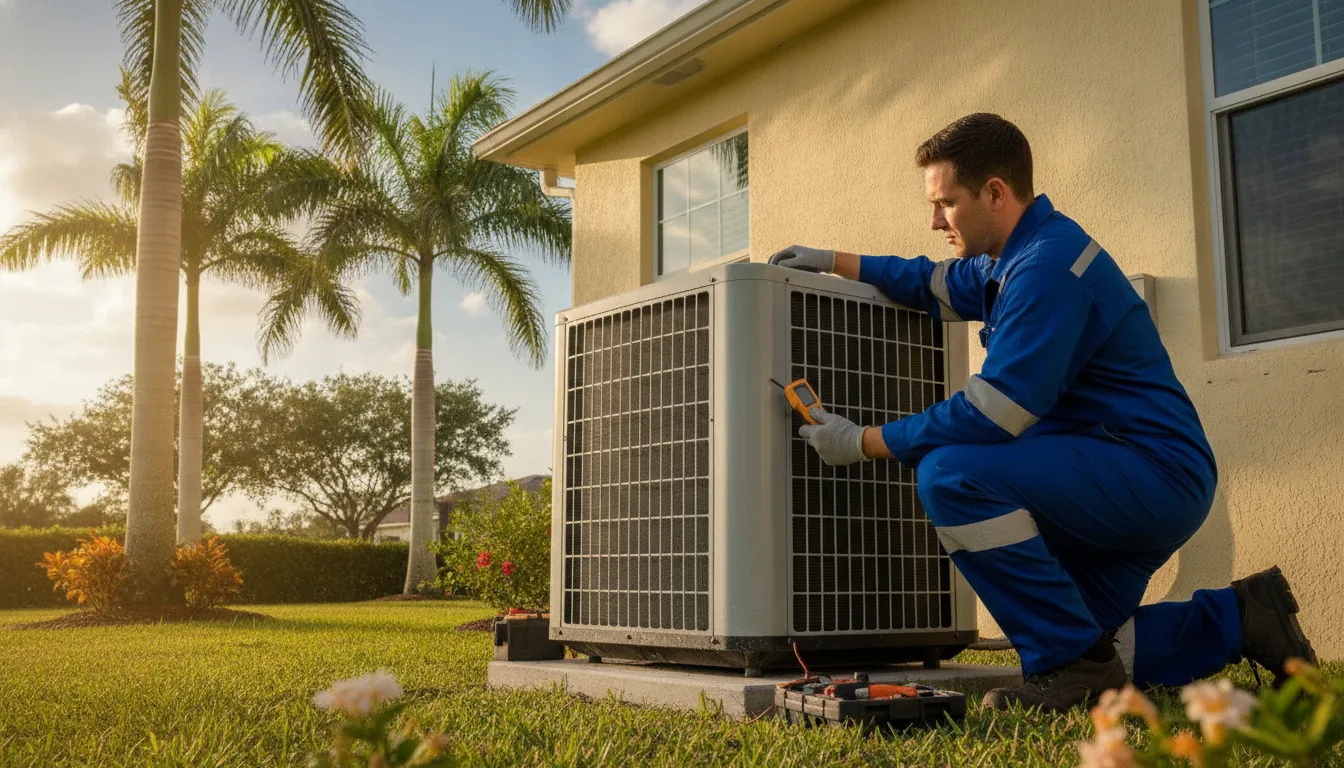
The technician typically tests the thermostat for proper operation and confirms that the system responds correctly to temperature settings. They may inspect wiring, terminals, capacitors, contactors, and other electrical connections for signs of wear, looseness, or overheating. Critical safety controls are also checked so the equipment can shut down as designed if an unsafe condition occurs. On systems with heating functions, the inspection may include components such as the ignition system, blower, and heat exchanger. These checks are part of the broader inspection approach described by Trane's overview of HVAC maintenance plans.
Coils, refrigerant, airflow, and drainage
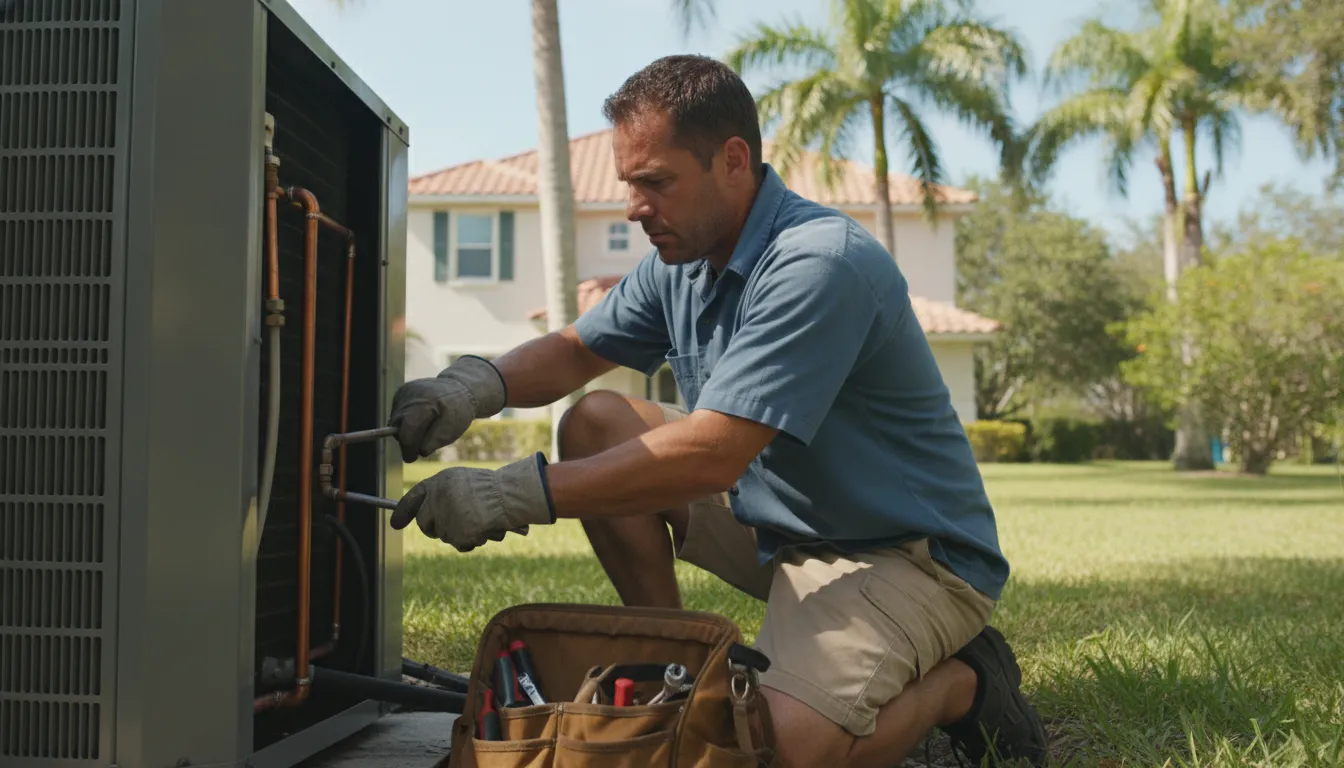
Maintenance also addresses the parts that affect cooling performance. The condenser coil and evaporator coil may be cleaned to remove buildup that restricts heat transfer. The technician can check the refrigerant charge and look for conditions that suggest a leak or another performance problem. A charge check is not the same as automatically adding refrigerant. If the level is low, the underlying cause should be investigated and explained.
The blower and overall airflow are verified to identify restrictions, unusual operation, or weak circulation. The condensate drain line is checked for blockage and proper drainage, which helps reduce the risk of water backing up around the air handler. The air filter is inspected as well. Filters protect the blower motor from debris and can support indoor air quality when properly selected and installed. The U.S. Environmental Protection Agency notes that upgrading a central HVAC filter can supplement source control and ventilation for improving indoor air quality. See the EPA's guidance on air filters and indoor air quality.
How a plan differs from a one-time tune-up
A one-off tune-up is a single visit. It can be useful before a demanding cooling season or when you want a current evaluation of the equipment. A maintenance plan or service agreement schedules recurring visits, keeps a record of developing conditions, and makes preventive care easier to remember. For many homes, visits are scheduled twice a year, with one appointment before the cooling season and another before the heating season, when applicable.
The value is not only the number of items on a checklist. Consistent inspection can help reveal restricted airflow, dirty coils, drainage concerns, or aging electrical parts while there is still time to make an informed decision. For more context, read about the value of regular HVAC maintenance. If you want to review the individual tasks in greater detail, use this comprehensive HVAC maintenance checklist. A trustworthy technician should explain what was checked, identify what needs attention, and separate necessary repairs from optional recommendations.
The Standard HVAC Maintenance Checklist
A professional maintenance visit follows a consistent process, but the technician should still adapt the inspection to your equipment, its age, and its operating history. The goal is not simply to glance at the system. It is to inspect, clean, test, and restore the components that affect comfort, airflow, efficiency, and safe operation.
- Replace or inspect the air filter. The technician checks whether the filter is loaded with dust and replaces it when needed, using the correct size and type for the system. A filter protects the blower motor from debris and can support better indoor air quality. The U.S. Department of Energy's Building Science Education and Training Modules identifies filters as an important part of both motor protection and air-quality control: HVAC preventative maintenance guidance.
- Check thermostat operation and calibration. The technician confirms that the thermostat reads the room temperature accurately, responds to heating and cooling calls, and communicates properly with the equipment. If the reading or cycling pattern seems inconsistent, calibration or thermostat replacement may need further discussion.
- Inspect electrical connections and capacitors. Loose connections can affect performance and create a safety concern. A professional checks terminals, wiring, contactors, disconnects, and capacitors, then tests relevant electrical readings against the equipment's specifications. The visit should document concerns rather than turn every reading into an automatic replacement recommendation.
- Clean the condenser coil and outdoor cabinet. Dirt, grass, and debris restrict heat transfer around the outdoor unit. The technician cleans the condenser coil using methods appropriate for the equipment and checks that air can move freely through it. Keep shrubs and plants at least 2 feet away from the outdoor unit between visits so vegetation does not choke off airflow.
- Inspect and clean the evaporator coil. The indoor coil is checked for dust buildup, biological growth, corrosion, and signs of restricted airflow. Where cleaning is needed, the technician uses standardized cleaning practices suited to the system. Inspection, cleaning, and restoration are core elements of professional HVAC maintenance, according to the Department of Energy training guidance.
- Check refrigerant level and the cooling circuit. For systems that use refrigerant, the technician checks operating conditions and looks for signs of an incorrect charge or a leak. A low reading is not a reason to simply add refrigerant without investigating why it is low. Any repair recommendation should be based on the system's measured condition.
- Inspect the blower and verify airflow. The blower assembly, wheel, motor, and accessible air passages are checked for dirt, wear, and abnormal noise. The technician also evaluates supply and return airflow, because a dirty filter, coil, blower, or obstructed duct can reduce comfort and place extra strain on the equipment.
- Clear and test the condensate drain line. Cooling systems remove moisture from indoor air, and that water must drain safely. The technician checks the drain pan and line for blockage, confirms that water flows correctly, and looks for overflow conditions that could damage surrounding materials.
- Test safety controls and operating limits. The final checks cover applicable high- and low-pressure controls, temperature limits, float switches, safeties, and system cycling. The technician confirms that the unit starts, runs, and shuts down as expected, then explains any condition that needs attention.
For a printable version of the service tasks and homeowner reminders, use this comprehensive HVAC maintenance checklist. A written checklist also makes it easier to see which items were inspected, which were cleaned, and which recommendations are truly necessary.
What a Maintenance Plan Usually Does Not Cover
A maintenance plan is designed to keep an HVAC system clean, adjusted, and operating reliably. It is not the same as a repair warranty or an insurance policy for every component in the home. The exact terms vary by company, so homeowners should read the agreement before enrolling. A clear plan should explain which visits, maintenance tasks, scheduling benefits, and discounts are included, as well as which repairs are billed separately.
In general, the dividing line is routine upkeep versus a major failure. Planned inspections, cleaning, filter service, and safety checks are maintenance work. Replacing a failed compressor, repairing damaged ductwork, or installing an entirely new system is a separate project. This distinction answers the common question, "What is not covered in a maintenance plan?"
| Typically Covered | Usually Not Covered |
|---|---|
| Planned inspections of the thermostat, electrical connections, and key operating components. | Major component replacement, such as a failed compressor or a coil that can no longer be repaired. |
| Routine filter swaps, coil cleaning, drain checks, airflow review, and other cleaning or adjustment work. | Duct repair or replacement, including work needed because of damage, deterioration, or poor original installation. |
| Safety checks and basic labor associated with the scheduled preventive-maintenance visit. | A full system replacement when the equipment is beyond economical repair or no longer meets the home's needs. |
| Priority scheduling for service and, depending on the agreement, a discount on eligible repairs. | After-hours emergency labor, unless the agreement specifically says emergency service is included. |
| Documentation of observed conditions and recommendations for keeping the equipment dependable. | Refrigerant leaks caused by corrosion, along with the leak repair, refrigerant, or component replacement required to correct them. |
The table is a guide, not a substitute for the written terms. For example, a plan may include checking refrigerant performance during a visit without including the cost of repairing a leak. It may also provide a repair discount without making the repair free. Ask whether parts, refrigerant, diagnostic time, emergency labor, and replacement equipment are included or excluded.
A recurring plan can still be valuable even though it does not cover whole-equipment failures. Regular preventive maintenance gives a technician a chance to identify worn parts, restricted airflow, drainage concerns, or electrical issues before they become a larger interruption. It also helps separate a maintenance visit from a repair call, which makes the service relationship easier to understand.
When comparing agreements, look for a specific list of included tasks, visit frequency, priority-service terms, cancellation rules, and repair discounts. 5 Star Air offers professional HVAC maintenance services for homeowners who want routine upkeep handled by a technician. The goal is straightforward: maintain what can be maintained, explain what needs repair, and avoid presenting a major replacement as part of ordinary plan coverage.
Why Regular Maintenance Prevents Breakdowns and Lowers Your Energy Bills
Southwest Florida air conditioners work through long stretches of heat and humidity. That constant demand leaves less room for a neglected filter, restricted airflow, dirty coil, or loose electrical connection to go unnoticed. Regular maintenance gives a technician the opportunity to find small problems while they are still manageable. Before they contribute to a larger failure during the hottest part of the year.
A maintenance visit is not only about looking for a part that has already failed. It also includes cleaning and inspection that help the system move air and transfer heat as it should. Clean filters support airflow, while clean coils help the equipment shed and absorb heat efficiently. The technician can also check the blower, electrical components, safety controls, drain system, and other key parts for signs of wear or developing trouble. Addressing those issues early can reduce the chance of an emergency repair and make system performance more consistent.
Efficiency matters in a hot, humid climate
When an air conditioner has to run frequently, even modest inefficiencies can affect comfort and operating costs over time. A system working with restricted airflow or buildup may run longer to reach the thermostat setting. Routine preventive maintenance can help improve overall efficiency and lower energy bills, while also extending the useful life of the equipment. These are potential benefits of maintenance, not a promise of a specific savings amount. Results depend on the system's condition, age, usage, and other factors.
Regular care is especially valuable in Southwest Florida because reliable cooling is a daily need, not an occasional convenience. A visit before the cooling season and another before the heating season can help keep both modes ready when needed. If you are comparing service options, review central AC maintenance costs alongside the possible cost of deferred repairs and reduced efficiency.
Cleaner filters can support healthier indoor air
Your HVAC filter protects the blower from airborne debris, but it also affects the air circulating through the home. The U.S. Environmental Protection Agency explains that upgrading the filter in a central HVAC system can help improve indoor air quality as a supplement to source control and ventilation. Read the EPA's guidance on air cleaners and air filters for the home for context on what filtration can and cannot do.
Maintenance cannot prevent every breakdown, and it does not make an aging system new. It can, however, give homeowners a clearer view of equipment condition and more time to plan when a repair or replacement eventually becomes necessary. For a commission-free, repair-focused visit, schedule service with 5 Star Air or call (239) 282-2222.
Do-It-Yourself HVAC Maintenance Between Visits
A few simple habits can support the work completed during a professional visit and help you notice changes in performance early. Start with the air filter. Most homeowners should replace or clean it every one to three months, depending on the filter type, household conditions, pets, and occupancy. A clean filter protects the blower motor from debris and supports indoor air quality. The U.S. Environmental Protection Agency notes that upgrading a central HVAC filter can supplement source control and ventilation as part of an indoor air quality strategy: EPA guidance on home air cleaners and filters.
Check the filter at the beginning of each month so the replacement does not become an afterthought. Use the size and installation direction specified for your system. If you are unsure which filter your equipment needs, ask a technician rather than forcing an ill-fitting filter into the return.
Keep the outdoor unit clear
Walk around the outdoor condenser periodically and remove leaves, grass clippings, branches, and other loose debris from the surrounding area. Turn the system off before reaching near the unit, and do not bend or scrub the delicate coil fins. Keep shrubs and plants at least 2 feet away from the equipment so air can move freely around it. Trane identifies filter replacement and debris removal as homeowner-friendly maintenance tasks, while also recommending that vegetation remain clear of the outdoor unit.
Inside the home, keep supply vents and return registers open and unobstructed. Move furniture, rugs, curtains, and storage items that restrict airflow. Check the thermostat settings after a power interruption, and replace its batteries when the display is dim, blank, or showing a low-battery warning. These checks are small, but they can prevent a comfort complaint from being mistaken for a major equipment failure.
Know when to call a professional
DIY upkeep should not replace an inspection when the system is behaving differently. Contact a professional if the vents produce warm air during cooling, airflow becomes noticeably weak. The system cycles unusually often, or you hear grinding, buzzing, rattling, or other unfamiliar noises. Water around the indoor unit, persistent odors, and repeated thermostat problems also deserve attention. Shut the system off if you notice burning odors or an electrical concern.
Basic upkeep is homeowner-friendly, but refrigerant work, electrical inspection, and coil deep-cleaning belong on a professional maintenance plan from 5 Star Air's commission-free team. Their technicians are hourly-paid and focused on repair and equipment care, not commissioned replacements. Learn more about professional HVAC maintenance services when a task goes beyond safe homeowner maintenance.
Is an HVAC Maintenance Plan Worth It for Florida Homeowners?
For many Florida homeowners, a maintenance plan is worth considering because the air conditioner does not get much of an off-season. Heat, humidity, and long cooling periods can keep a system working hard for much of the year. A preventive visit gives a technician a chance to inspect, clean, and test the equipment before a small problem becomes an uncomfortable emergency.
The value is not that a plan guarantees that nothing will ever fail. No service agreement can make that promise. The value is earlier attention to the parts that affect comfort, airflow, efficiency, and reliability. Regular preventive maintenance can help lower energy bills, extend equipment life, and improve overall system efficiency, according to Trane's HVAC maintenance guide. Those benefits matter more when a unit runs frequently in Florida's heat and humidity.
What are you paying for?
A maintenance plan is generally a recurring arrangement for scheduled preventive service, rather than a promise that every repair is included at no additional charge. The specific terms depend on the provider and equipment. In practical terms, the plan should make it easier to keep regular appointments and identify developing issues while they are still manageable.
Most homeowners should expect a technician to review key operating components. Inspect electrical connections and the thermostat, and check parts such as the blower and heat exchangers where applicable. Maintenance also involves standardized inspection and cleaning practices for HVAC systems and ductwork. The technician may identify restricted airflow, a dirty component, a drain concern, or another condition that deserves attention. You can then decide how to proceed based on the actual condition of your equipment.
Ask how often visits occur, what the inspection covers, whether cleaning is included, and how repairs are handled. A clear answer is more useful than a vague promise of priority service. You can also review the value of regular HVAC maintenance when comparing a recurring plan with occasional one-off tune-ups.
Why Florida timing changes the calculation
For systems that provide both cooling and heating. A common recommendation is to schedule maintenance twice a year: once in spring before the cooling season and once in fall before the heating season. Florida homeowners may rely heavily on cooling, but the seasonal schedule still creates two useful checkpoints. It helps keep the system prepared for its heavier workload and gives you a regular opportunity to discuss wear, performance, and repair priorities.
At 5 Star Air, the purpose of that conversation is to help extend the life of the unit you already own. Technicians are hourly-paid and work from a repair-focused, no-commission model. Their goal is not to pressure you into replacing equipment simply because they are performing maintenance. They can explain what is working, what is not, and which repairs are reasonable for the age and condition of the system.
That straightforward approach is the clearest answer to the question, "Are HVAC maintenance plans worth it?" If your system is used heavily. You want predictable preventive visits, and you prefer honest repair guidance, a plan may provide meaningful value. If you are comfortable scheduling individual tune-ups and handling simple upkeep between visits, an annual or seasonal service approach may also fit your needs. The right choice depends on the equipment and the terms, not on a one-size-fits-all sales pitch.
Get your HVAC maintenance plan started with a no-pressure service visit
Frequently Asked Questions
What is included in a typical HVAC maintenance plan?
A typical plan includes a professional inspection and tune-up of the thermostat, electrical connections, coils, refrigerant charge, blower, airflow, drain line, filter, and safety controls. The technician should explain any developing issue and separate routine maintenance from repairs that need approval.
Are HVAC maintenance plans worth it?
They can be worthwhile if you want a predictable maintenance schedule and an experienced technician checking the system before a small issue becomes a larger interruption. Regular maintenance can also support efficient operation and equipment longevity. The value depends on your system's age, condition, usage, and what the agreement actually covers.
How often should I schedule HVAC maintenance?
Most homeowners benefit from scheduling service before the major cooling and heating seasons. In Southwest Florida, cooling equipment works hard for much of the year, so a technician can help identify airflow, drainage, electrical, or performance concerns before they become urgent. Follow the equipment manufacturer's recommendations as well.
Can I do HVAC maintenance myself?
You can handle simple upkeep, such as replacing the air filter, checking that vents are open, and keeping leaves and other debris away from the outdoor unit. Electrical testing, refrigerant work, coil cleaning, drain-line service, and safety checks should be left to a qualified HVAC professional. DIY care supports professional maintenance but does not replace it.
Schedule Your HVAC Maintenance Visit
A maintenance visit can help you understand your system's condition, keep routine care on track, and address small concerns before they become larger repairs. When you are ready, schedule an HVAC maintenance visit with 5 Star Air. You can also call (239) 282-2222 to discuss the next step with the team. The goal is straightforward: helpful service that supports dependable comfort without pressure.