SEER2 Rating Guide for Southwest Florida Homes
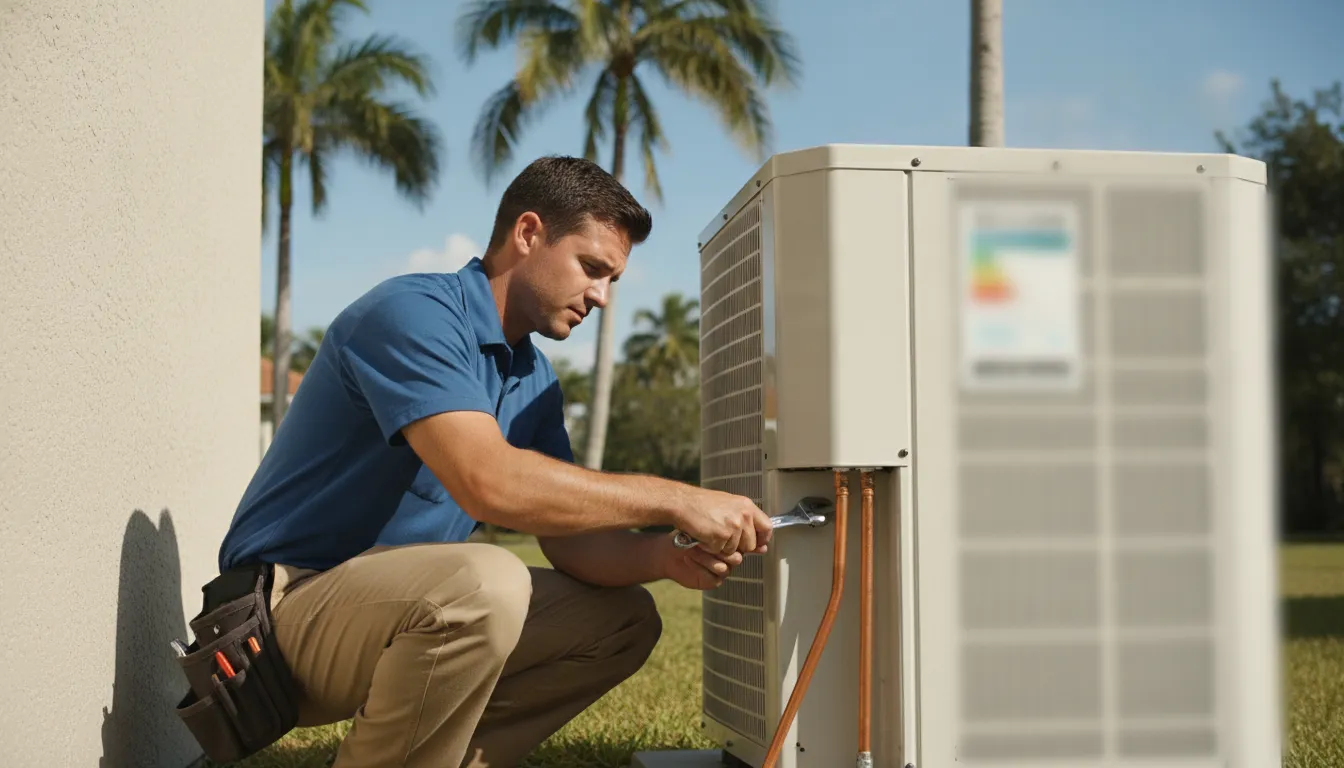
An air conditioner in Southwest Florida faces some of the toughest cooling work in the country. When summer heat hovers in the nineties, system efficiency directly sets your power bill. Choosing the wrong unit leads to years of overpaying.
A SEER2 rating measures how much power your new air conditioner uses to cool your home over a full season. It replaced the old SEER metric on January 1, 2023, to give homeowners a clearer look at real-world cooling work under higher static pressure. Federal rules now require all new cooling systems in Florida to meet higher standards. New split-system units must reach at least 13.4 or 14.3 SEER2 depending on size, according to U.S. Department of Energy standards. While the legal minimum works, choosing a slightly higher rating will lower your power bills in our hot, humid climate. For most Southwest Florida homes, a system rated between 14.5 and 16 SEER2 provides the best balance of upfront install cost and long-term savings.
But how do these efficiency numbers translate to your comfort and wallet? Knowing the difference between these ratings is the first step toward a smart choice. To help you decide, we start by answering: What Is a SEER2 Rating and How Does It Work?
Schedule a free consultation to find the best SEER2 rating for your Southwest Florida home.
What Is a SEER2 Rating and How Does It Work?
An air conditioner keeps your home cool, but some systems use far less power than others. To find the best option, you should look at the SEER2 rating of the unit. This standard, known as the Seasonal Energy Efficiency Ratio 2, replaced the older SEER system on January 1, 2023. It helps you lower monthly bills.
Measuring the cooling output
The rating tells you how much cooling you get for each watt of power. When you are understanding SEER2 ratings, the basic math is easy. A system rated at 16 gives about 16 British Thermal Units (BTUs) of cooling. This output is measured per watt-hour of power used.
This rating is seasonal because AC units do not run the same way all year. The test looks at a whole cooling season. It uses a range of common outdoor temperatures instead of just one hot day. This gives a much truer view of what you will pay to run the unit.
Increasing external static pressure
You might wonder why we need a new standard. The big change is in the testing protocol, known as the M1 blower test. The old SEER test did not match real homes because it tested units under very low pressure. In a real home, the air faces resistance as it moves through your ducts.
This resistance is called external static pressure. To fix this, the new M1 blower test raises the external static pressure by five times. This stricter testing protocol makes the rating a much better picture of real-world results. You can read more about these testing protocols online to see how they apply to modern brands.
Testing at high heat
The M1 protocol does not just change pressure, but it also tests units across a wide range of outdoor temperatures. These tests run from 65 degrees to 104 degrees Fahrenheit. This range matches the weather your system will face from spring to winter. In places like Southwest Florida, this range is vital because our cooling season lasts nearly all year.
By testing at high heat, the rating shows how a unit handles extreme weather. Some systems struggle when the outdoor air gets very hot. The new standard ensures that a high rating gives the savings you expect. It gives you a sure way to compare units.
These updates are not just for show. Makers must follow these rules under the energy conservation standards set by U.S. rules. These standards started in 1992 to help cut down on power use across the country. By buying a system with a tested rating, you know it meets these strict U.S. goals.
SEER vs SEER2: What Changed in 2023?
In 2023, new rules changed how we measure cooling efficiency. This update helps give a real-world understanding of SEER2 ratings across the country. Many homeowners worry that new AC units will use more power. But the cooling power of the AC is the same as before.
The 2023 Testing Mandate
The U.S. Department of Energy has set HVAC standards since 1992 to limit how much power homes use. You can read more about these rules on the Department of Energy site online. Before 2023, the old SEER test did not match how a home really runs. This gap led to cooling scores that were too high.
The new testing standard is called the M1 protocol. It tests systems at a wide range of outdoor temperatures from 65 to 104 degrees Fahrenheit. This method gives a clearer picture of how a system works during hot Florida days. It helps you see how a unit will run under real summer conditions.
The Physical Difference in Static Pressure
The main shift in the test is how we measure static pressure. Static pressure is the resistance that air faces when it moves through home ductwork. The old SEER test used very low pressure that did not match a real home. It assumed the ductwork was fully open and free of blocks.
The M1 blower test increases this static pressure by five times. This change makes the blower work much harder during the test. Because the fan uses more power to push air, the final efficiency rating drops. This tougher test shows how your system will work in a real house.
When an AC blower works against real ductwork, it meets resistance from vents and filters. The old test ignored this drag, which made systems look better on paper. The new test forces the system to run under a real load. This is why the new score is more honest and useful.
How the Numbers Compare
To help you understand what a SEER2 rating means for your home, brands now print the new numbers on all systems. This means a 15 SEER unit from five years ago is now close to a 14.3 SEER2 model. The actual cooling output is the same, but the test score is lower. A unit that had a 16 SEER rating under the old rules will now carry a 15.2 rating.
Homeowners should not feel worried by these lower numbers. A lower rating does not mean you are buying a worse system. It simply means the government is using a tougher yardstick to measure the unit. You can compare the old and new standards in the table below.
| Metric | Old SEER | New SEER2 |
|---|---|---|
| Full name | Seasonal Energy Efficiency Ratio | Seasonal Energy Efficiency Ratio 2 |
| Testing method | Old blower testing | New M1 blower test |
| Static pressure | 0.1 inches of water column | 0.5 inches of water column |
| Real-world accuracy | Lower accuracy | Higher accuracy |
| Date it took effect | Used until 2022 | January 1, 2023 |
| Example equivalent | 16.0 SEER rating | 15.2 SEER2 rating |
The Federal Minimum SEER2 Rating and Florida's Rules
When you buy a new AC unit, you must follow federal laws. Since 1992, the federal government has set energy conservation standards for central air units. The U.S. Department of Energy (DOE) updates these rules to cut down on total power use. The new tests rate how well a system saves power. This is the understanding SEER2 ratings system, which sets the rules for all new equipment.
Regional climate zones and Florida standards
The shift to the new SEER2 system took place on January 1, 2023. This change set up distinct rules based on regional climate zones. The nation has three zones. The DOE split the map into the North, South, and Southwest. Florida sits in the South. Our hot climate means we must meet higher limits. Old AC systems that do not hit these marks are no longer legal to put in. This helps homeowners cut down on their electric bills.
Southeast minimum efficiency rules
For homes in Florida and the rest of the Southeast, there are strict rules for each type of system. A basic split-system AC unit must have a 13.4 SEER2 rating or higher. If the split AC unit is under 45,000 BTU, it must meet a higher mark of at least 14.3 SEER2. Heat pumps are also common in our region. A split-system heat pump must hit a 14.3 SEER2 minimum. These distinct limits exist to make sure every unit can cool a home without wasting power.
These rules apply to the outside unit in your yard. When you shop for parts, learning what SEER2 rating means for your system is vital. Your new system must meet the local law on the day of setup. If you try to use a unit that does not hit the mark, the local building inspector will not pass it. Our local teams can check your current unit to see if it meets the code.
Legal floors versus real comfort needs
Keep in mind that the federal minimum is just a legal floor. It is the lowest limit that brands can sell. But the lowest limit is not always the best buy for your home. In Southwest Florida, our cooling season lasts all year. Looking at SEER2 rating efficiency benefits helps you see how much cash you can save each month.
At 5 Star Air, our technicians do not work on sales bonuses or commission. This means we will never push you to buy a high-priced system just to make a sale. Our goal is to give you honest, clear facts so you can choose what is best for your family. We want to help you balance the upfront cost against monthly power bills.
Which SEER2 Rating Should You Choose in Southwest Florida?
The Three SEER2 Efficiency Tiers
Southwest Florida homeowners can choose from three main efficiency tiers. The entry tier runs from 13.4 to 14.3. This option meets the federal minimum and fits a tight budget, but it saves less on power over time.
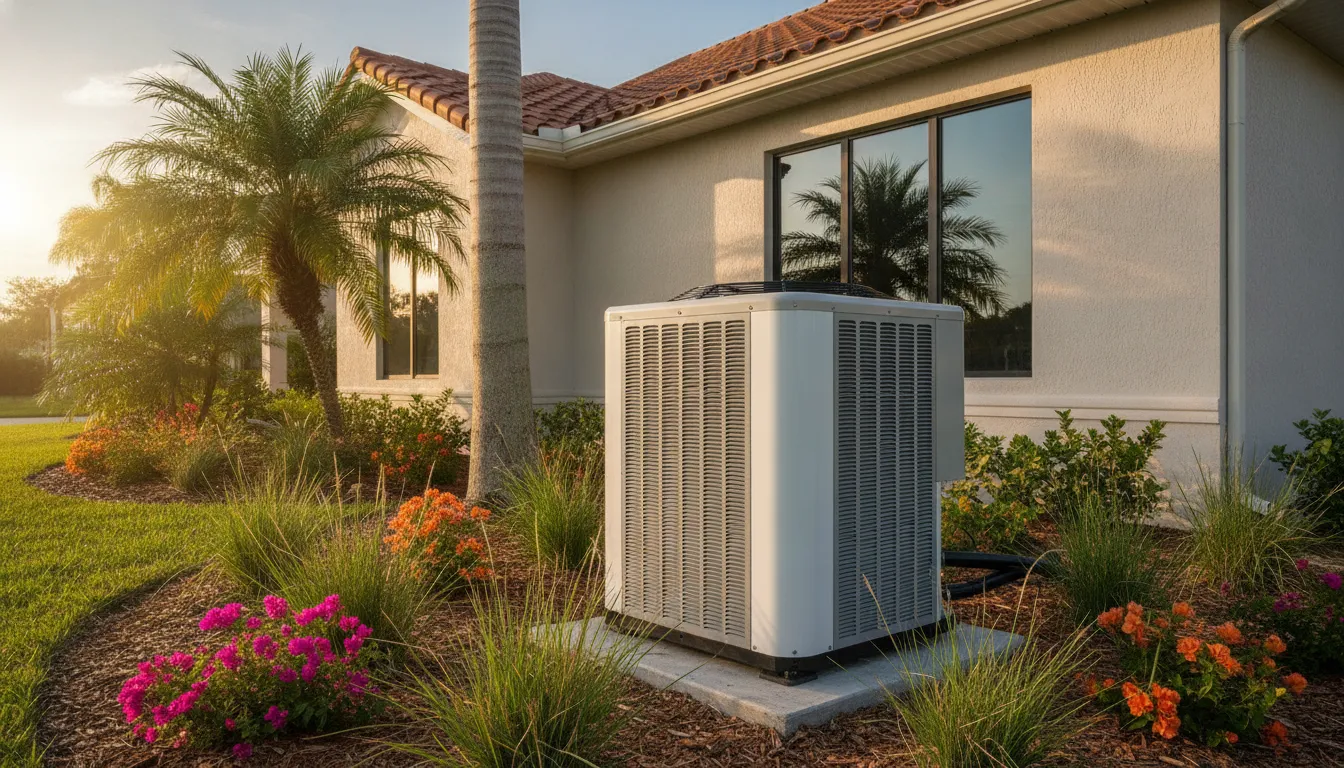
The mid tier spans from 14.5 to 16. This tier is the top choice because it matches price with steady power savings. The top tier is 17 or higher, which works best for homeowners who plan to stay long term.
Upfront Cost Versus Long-Term Savings
Selecting a high rating brings key SEER2 rating efficiency benefits, but you must balance the upfront price. A higher rating means lower power bills in our hot climate. Modern brands like Trane, Ruud, and Mitsubishi offer systems with two-stage or variable-speed compressors. These advanced parts run at lower speeds to pull damp air from the room and keep your indoor temp even.
Since our technicians do not work on sales commission, we give you honest advice about which setup fits your home. In Southwest Florida, your air conditioner runs for most of the year. This constant use means that a higher rating can pay for itself much faster. Our honest team can help you look at your past bills to find the best fit.
Steps to Choose the Right SEER2 Rating
We believe in helping you make the right choice without any sales pressure. Finding your best fit takes just a few key steps. Federal efficiency rules aim to cut power use, as outlined by the U.S. Department of Energy. You can use these steps to balance your comfort goals with your budget to find the perfect fit.
- First, look at your upfront budget and how long you plan to stay in your home. If you plan to stay for many years, a high-efficiency system is often worth the extra cost because it saves more money.
- Next, think about the hot, damp climate in Southwest Florida. High-efficiency units excel at pulling water from the air to keep your home cool and dry during our long summer months.
- Then, compare brands like Trane and Ruud to see which units offer two-stage or variable-speed options. These advanced features run at lower speeds to save power while keeping your indoor air comfortable.
- Before making your final choice, check the overall replacement cost in Southwest Florida. This helps you weigh the upfront price of each system against your long-term power savings to make a smart choice.
- Finally, talk to an honest technician who does not work on sales commission. An expert can measure your home and recommend a unit that keeps you cool without breaking your budget or forcing a sale.
Why Proper Installation Matters More Than the Number
Buying a unit with a high SEER2 rating does not mean you will get low bills. The number on the yellow sticker is only what the system can do under lab tests. In the real world, your new system only reaches that efficiency when it is set up right.
The Real-World Efficiency Gap
Many people pay extra for a high SEER2 rating, but they never see the savings. If a system is not set up right, it will run all the time and waste power. This issue is not unique to cooling units. Federal data shows that heat pumps can deliver two to four times more heat energy than the power they use. But this only happens with a proper setup. For any unit, proper installation is needed to reach its rated efficiency.
The Role of Sizing and Ductwork
To get the most out of your unit, you need a right-sized AC system for your home. If a unit is too big, it will turn on and off too fast. This short-cycling fails to remove humidity and leaves your home feeling damp. If the unit is too small, it will run all day without cooling the space. Both errors wear out your system and spike your power bills. You can read our split system outside unit guide to see how these parts work.
Poor ductwork is another major problem. In Southwest Florida, leaky ducts in hot attics can ruin your comfort fast. If your ducts leak or have bad airflow, even the best system will struggle. Air will escape before it reaches your living room, forcing your unit to work much harder. This extra strain lowers the real-world efficiency of your system far below its official seer2 rating.
Honest Advice From Hourly-Paid Technicians
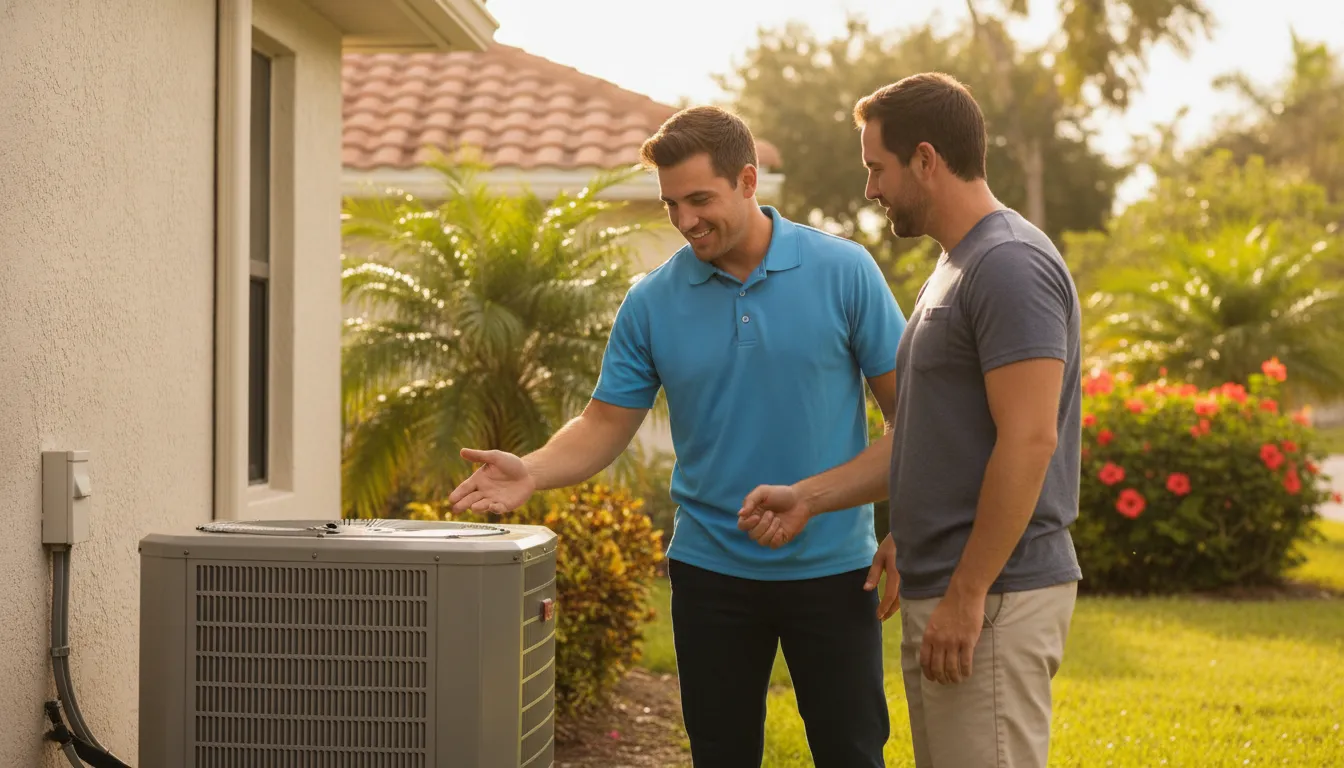
At 5 Star Air, we do not believe in high-pressure sales. Most HVAC firms pay their techs on commission. This model means those workers make more money when they sell you a high-priced system. We do not use that model. Our techs are paid hourly and do not make a commission on sales. This setup means we only focus on what your home needs.
We will not push you to buy a high-SEER2 system if a standard unit is a better fit. Our goal is to give you clear, honest advice so you can make the best choice. When you work with us, you can trust that your system will be sized and set up with care.
Ready to pick the right SEER2 rating? Schedule your free consultation with 5 Star Air today.
Frequently Asked Questions
Is a higher SEER2 rating always worth the extra cost?
Not always. A higher Seasonal Energy Efficiency Ratio 2 (SEER2) rating reduces utility bills but costs more upfront. In hot climates like Southwest Florida, where systems run year-round, high-efficiency systems pay back their extra cost much faster. According to the U.S. Department of Energy, appliance standards help lower energy bills over time. Homeowners who plan to stay in their homes long-term will benefit the most from buying a high-efficiency system.
What is the minimum SEER2 rating allowed in Florida?
In Florida, the minimum standard for a new split-system air conditioner under 45,000 BTU is 14.3 SEER2. Larger systems must be at least 13.4 SEER2. Under federal rules, split-system heat pumps must have a rating of at least 14.3 SEER2. You can check these regional standards on the official Department of Energy website, which regulates central air systems to help manage national power use.
How does a higher SEER2 rating affect indoor comfort?
A higher rating often means better comfort. This is because high-efficiency systems usually use two-stage or variable-speed compressors. Instead of turning fully on and off, these systems run at lower speeds for longer periods. This helps keep indoor temperatures even and removes more moisture from the air. According to the Department of Energy, proper setup is vital to get the full efficiency of your system. Professional installation helps ensure you get these comfort benefits.
Is SEER2 the same as the old SEER rating?
No. SEER2 uses a newer and tougher testing method that started in 2023. This testing protocol accounts for higher air resistance inside home duct systems. Because the test is more realistic, a system's SEER2 number is usually slightly lower than its old SEER number. For example, a system rated at 16 SEER under the old standard is equal to about 15.2 SEER2 under the current protocol. You can find more about these testing changes from Carrier, which outlines how the updated standards affect residential cooling ratings.
Ready to Find the Best SEER2 Rating for Your Home?
Running a wasteful, old cooling system in Southwest Florida will lose valuable energy and drive up your utility costs every single month. Upgrading your unit now stops this monthly waste, keeps your home cool, and saves you from a sudden system breakdown during our hot summers. Our honest, hourly-paid technicians can help you find the right setup today so you do not have to worry about costly urgent repairs.
Ready to schedule a free consultation? Our hourly-paid team is ready to give you an honest system recommendation with absolutely no sales pressure. Contact 5 Star Air online today or call our local team at (239) 282-2222 to set up your quick visit.