AC Sizing Guide for Southwest Florida Homes
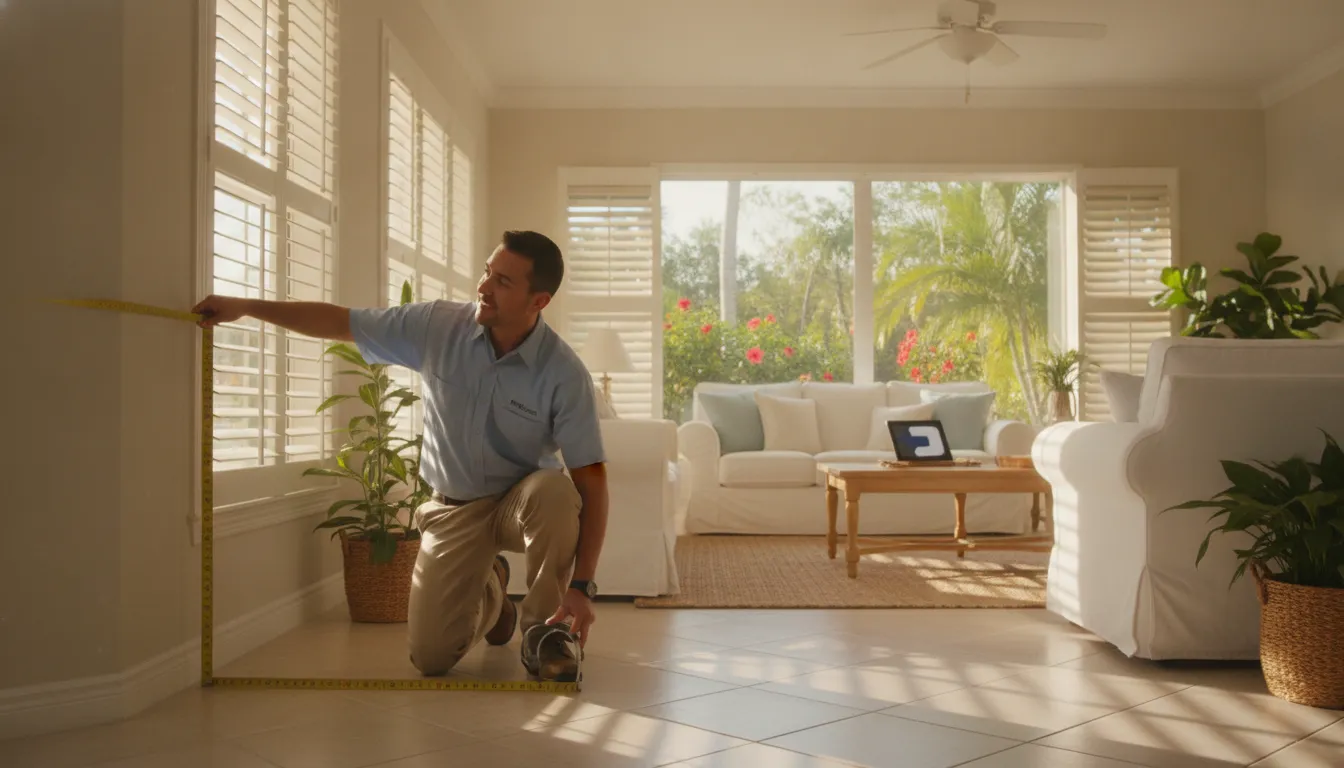
Buying a large air conditioner to beat Florida humidity will leave your indoor air damp and warm. Many homeowners assume that a bigger system is always better for extreme summer heat.
Proper ac sizing is the precise technical way to match a cooling system's capacity, measured in BTUs or tons, to your home's physical needs. Instead of using wild guesses, skilled technicians run a Manual J cooling load study to check insulation, window design, home direction, and local climate. This test is critical because an oversized system cycles off too fast, leaving heavy moisture in the air which leads to high power bills and mold. According to the U.S. Environmental Protection Agency, bad sizing can cut overall system performance by up to 30 percent. Correct sizing keeps your system running long enough to strip indoor moisture, which protects your equipment while keeping utility costs low.
How do you find the perfect system size for your specific home space? We break down how skilled teams check and select the right unit in our next section, Why AC Sizing Matters in Southwest Florida. Getting this right is the first step toward lower utility bills, starting with:
Ready to confirm the right AC size for your home? Schedule your free AC sizing consultation with our honest, non-commissioned technicians or call (239) 282-2222.
Why AC Sizing Matters in Southwest Florida
In Southwest Florida, your air conditioner is the main system in your home. The hot, wet air and salty breeze put constant stress on your cooling unit. Many homeowners think any cooling unit will do the job as long as it runs. But choosing the wrong size can lead to high energy bills and poor performance.
The impact on efficiency and comfort
Buying a new cooling unit is a big investment. Yet, EPA data shows that more than half of new home systems do not reach their rated efficiency due to improper installation. If a technician does not size your system right, the unit will struggle. The EPA warns that improper system sizing can reduce cooling performance by up to 30%.
Poor cooling performance is not the only issue, as a wrong-size system also fails to remove moisture from your indoor air. This causes high indoor humidity, which can lead to mold growth and musty smells. Homeowners can avoid these costly issues by planning a proper residential HVAC system replacement. Getting the right match is the only way to keep your home cool and dry.
The problem with oversized systems
Many people make the mistake of buying an air conditioner that is too large because they believe a bigger unit will cool the home faster. But a system with too much power will turn on and off fast. This action is called short-cycling, and it is a major problem. Because the system runs in short bursts, it never stays on long enough to pull moisture out of the air.
A short-cycling system is bad for your wallet and comfort. Starting up takes a lot of power, so fast cycles drive up your bills while wearing out the motor and compressor. In Southwest Florida, salt air already shortens the lifespan of your unit. Adding the strain of a system that is too big will lead to early breakdown and costly repairs.
The strain of undersized units
On the other hand, an undersized unit has the opposite problem. A system that is too small cannot keep up with the intense heat of Southwest Florida. To reach your thermostat setting, the small unit will run all the time without a break. This nonstop running uses a huge amount of energy, yet your home will still feel warm and sticky.
Running all day also burns out the fan motor and other vital parts long before their time. When the outdoor temperature peaks in the afternoon, an undersized system will fail to keep you cool. You are left with high power bills, a hot house, and a system that is headed for an early grave. Getting the correct tonnage is the only way to avoid these issues.
How HVAC Contractors Measure the Right AC Size
Many people think that finding the right unit size is simple. They might look at a basic chart online or use a quick formula. But these quick methods often lead to major errors because they do not look at the whole picture. For a system to work well, you need a precise study. In fact, finding the proper AC unit sizing for your home is a detailed task that requires real HVAC skill.
The limits of rules of thumb
Some builders or techs use a simple rule of thumb. For example, they might choose one ton of cooling for every five hundred square feet. This is a bad way to buy a system. It does not account for how well your house holds in cold air. It ignores your windows, your insulation, and your local weather. Using a simple rule of thumb usually results in buying a system that is too big or too small.
The core elements of Manual J
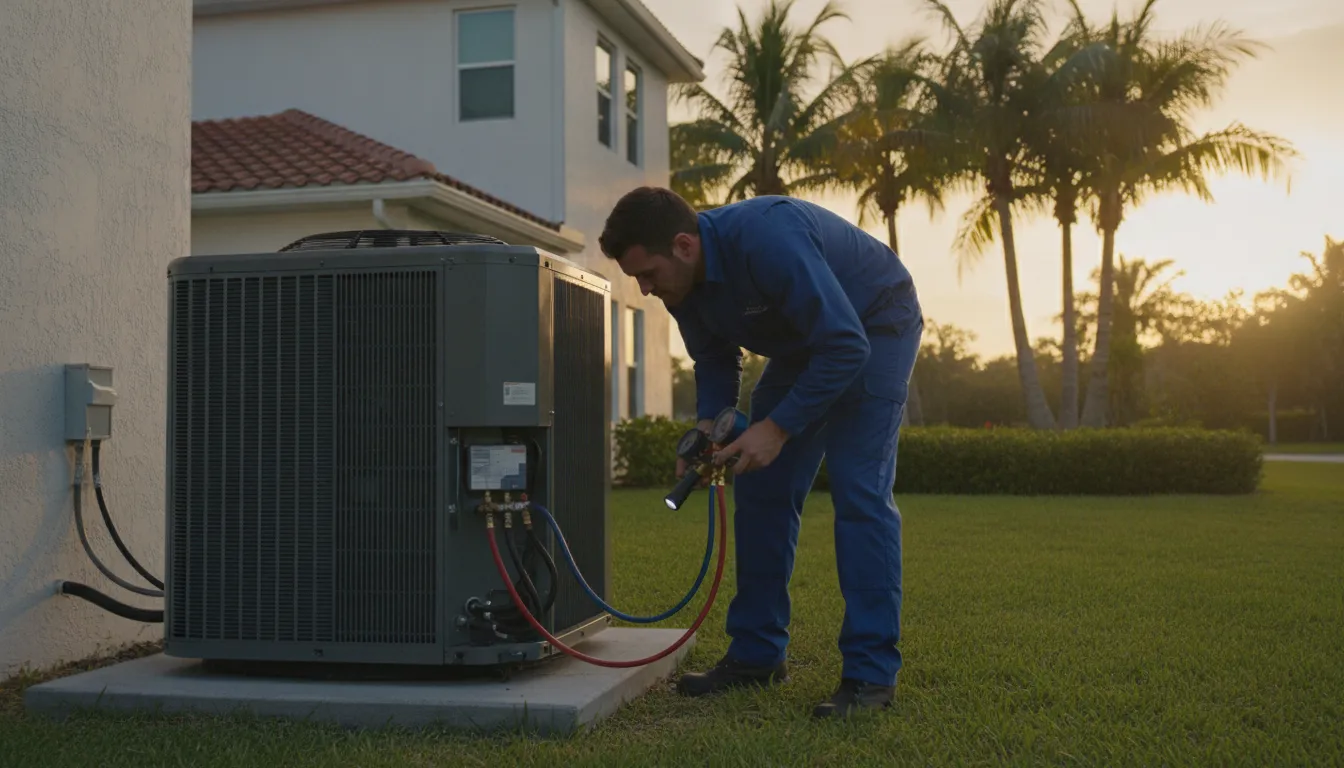
To get the right size, you must use a better method. The U.S. Environmental Protection Agency (EPA) advises that your contractor should size your system using ACCA Manual J or a similar standard. This tool finds the exact heating and cooling needs of your home. It does not guess. A real study ensures your new unit will run at its best and keep you cool.
A proper cooling load calculation takes many facts into account. It looks at the location of your house and its square footage. It notes the direction your home faces, which affects solar heat. It also checks the insulation R-values in your walls and attic, and the glass in your windows. The tool even looks at the number of people inside and the heat from your indoor devices.
The crucial role of humidity
Local climate design temperatures play a key role in this process. Designers use these numbers to plan for the hottest days of the year. In a hot, wet state like Florida, we must plan for two kinds of heat. Sensible heat is the temperature you read on a thermostat. Latent heat is the moisture in the air. A Manual J study measures both to ensure your system can pull water out of the air.
This is why a basic online tool fails. It only looks at square footage and ignores latent load. In Southwest Florida, removing moisture from the air is just as vital as lowering the temperature. If a contractor does not run this study, you could end up with a sticky, damp home. Proper AC sizing protects your indoor air and keeps your energy bills low.
AC Tonnage and BTU Sizing for SW Florida Homes
When you prepare for a residential HVAC system replacement, you will hear two main terms: BTUs and tonnage. A British Thermal Unit, or BTU, measures how much heat a unit can remove from your home in one hour. HVAC capacity is also measured in tons, but this does not refer to the weight of the system. In the cooling industry, one ton is equal to 12,000 BTUs per hour. Most residential systems range from 1.5 to 5 tons. If your home needs more cooling than a 5-ton system can give, you will need to install multiple units.
How to read AC model numbers
You can often find the capacity of your current unit by looking at its model number. Manufacturers place this number on a metal plaque on the side of the outdoor unit. Look for a two-digit number that is a multiple of 12. For example, the number 24 in a model number means 24,000 BTUs. Since one ton equals 12,000 BTUs, this is a 2-ton system. If you see the number 36, it means the unit has a 36,000 BTU capacity, which is equal to 3 tons. Knowing this code helps you talk to technicians with confidence.
Sizing estimates by square footage
Homeowners often use square footage to get a rough estimate of their cooling needs. In the hot and humid climate of Southwest Florida, homes need strong systems to stay dry and cool. The table below shows some common ranges for local homes based on size. These numbers are only rough estimates, but they can give you a starting point. Your actual needs depend on many other factors beyond the size of your house.
| Home Size (sq ft) | Approximate Tons | Approximate BTUs |
|---|---|---|
| 1,200-1,500 | 2.5-3 tons | 30,000-36,000 |
| 1,600-1,900 | 3-3.5 tons | 36,000-42,000 |
| 2,000-2,500 | 3.5-4 tons | 42,000-48,000 |
| 2,600+ | 4-5 tons | 48,000-60,000 |
While a chart can give you a general idea, you should never buy a system based on square footage alone. Sizing a cooling unit is a science. A professional technician will look at your home orientation, insulation levels, and window types. According to a study on HVAC sizing by the University of Illinois, these factors directly change how much heat your house gains from the sun. An honest contractor will run these math steps to protect your comfort and prevent high energy bills.
The "Bigger Is Better" Mistake and the Honest Way to Choose
Many homeowners think a larger air conditioner will cool a house faster. It sounds like a smart choice. But in Southwest Florida, choosing a system that is too large is a major mistake. When you plan a new AC installation in Fort Myers, you must focus on proper ac sizing. A system with too much cooling power will turn on and off too fast and fail to keep you comfortable.Why bigger air conditioners fail
An oversized air conditioner will cool your home quickly. Because it cools so fast, it shuts off before it can finish a full cooling cycle. This pattern is known as short cycling, which stops the system from removing water from the air. The US Environmental Protection Agency states that improper system sizing can reduce performance by up to 30 percent. This drop in performance ruins your comfort and leaves your home humid. When indoor air stays warm and wet, it creates a perfect place for toxic mold to grow.The cost of oversized systems
Oversized units also waste energy. Every time an air conditioner starts, it draws a large amount of power. Because a large unit starts and stops all day long, your electric bills will rise. This constant cycle also places severe stress on vital parts like the compressor. Over time, this stress leads to more breakdowns and shortens the life of your unit. Buying a system that is too big means paying more upfront for a machine that will fail sooner. It will also cost you more to run.Honest sizing from hourly technicians
Some local contractors will try to sell you the largest unit they can. They do this because they work on commission and earn more money when they sell costly gear. At 5 Star Air, we do things differently. Our techs are paid by the hour, not by commission. They gain nothing from selling you a system you do not need. We always try to repair your unit first to keep it running as long as possible. When you do need a new system, we use exact math to find the right size for your home. You get honest advice, clear pricing, and a system that fits your needs perfectly.Frequently Asked Questions
Is a 3 ton AC too big for a 1200 sq ft house?
Yes. A three-ton unit is mostly too large for a 1,200 square foot home. In hot, wet places like Southwest Florida, a system that is too big will turn on and off too fast. This is called short cycling. It stops the unit from drying the air and makes your power bills go up. You should get an expert load check to find the right size.
What size AC does a 2000 sq ft house need?
A 2,000 square foot home often needs a 3 to 3.5 ton unit. But you should not buy a system based on size alone. A real load check looks at your roof, walls, windows, and climate to find the right fit. Choosing the wrong size can cut how well your unit works by about 30 percent as shown by the EPA.
Is it better to oversize or undersize an AC?
Neither is good. An oversized system will turn on and off too much, which wastes power and leaves your home feeling damp. An undersized unit will run all day long without stopping, which wears out the parts and still fails to cool your home on hot days. You need a system that fits your home just right.
How many BTUs are in one ton of air conditioning?
One ton of cooling is equal to 12,000 BTUs per hour. For home units, the size mostly ranges from 1.5 tons up to 5 tons. You can look at the model number on your unit to find its size. For example, a unit with the number 24 often means it has 24,000 BTUs, as shown by AC Direct.
Ready to Get the Right AC Size for Your Home?
An oversized or undersized air conditioner will struggle in our hot Southwest Florida climate and constantly raise your monthly electric and utility bills. Waiting to replace a poorly sized cooling system leads to high power costs, indoor mold growth, and early equipment failure in our salt air. Taking action today secures immediate home comfort, protects your family from heavy humidity, and ensures you get a highly reliable cooling system from our honest team.
Ready to get the right AC size? You can schedule your free AC sizing consultation with our local team online today. You can also call us at (239) 282-2222 to speak directly with an honest, non-commissioned technician about your home.