How Often to Change AC Filter Florida Humidity: The Guide
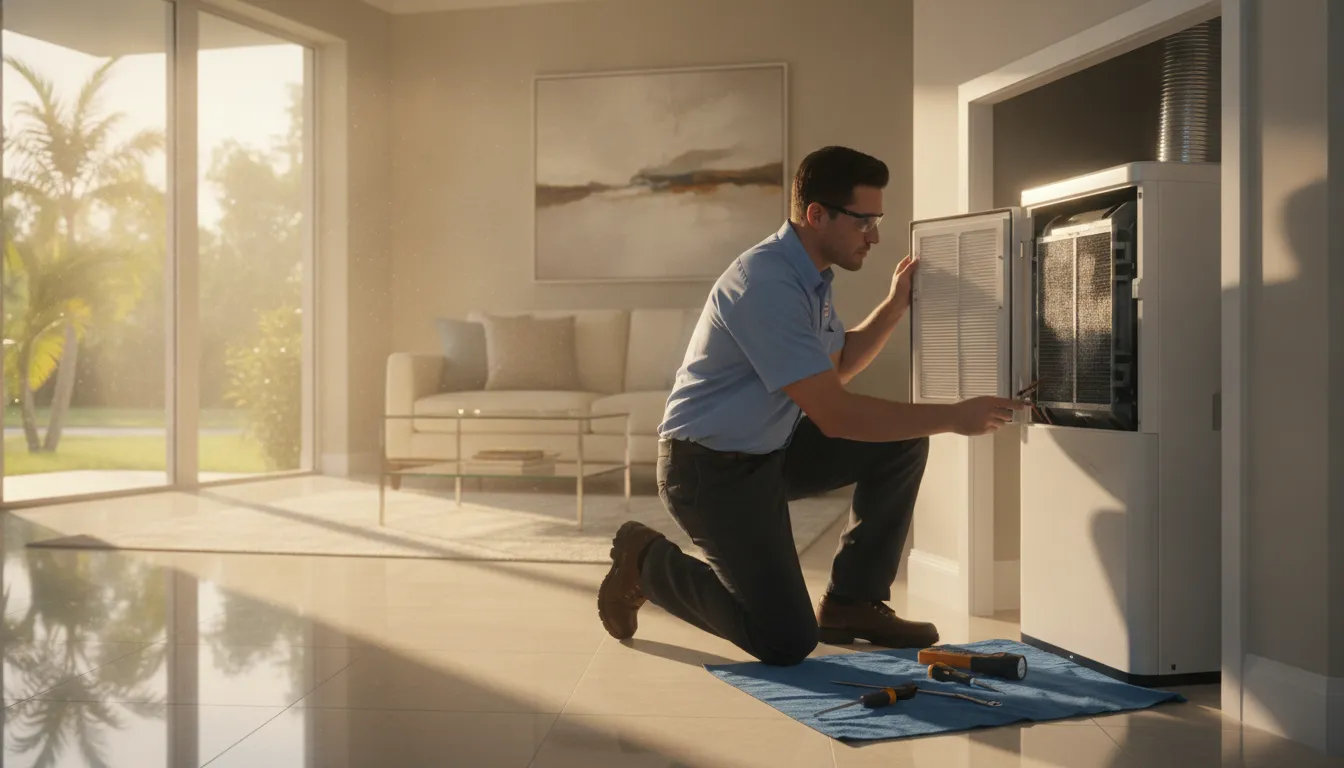
In Southwest Florida, an AC filter works through long stretches of heat, moisture, and pollen. That combination loads a filter faster than a calendar reminder suggests, especially in homes with pets, allergies, or frequent cooling cycles.
Schedule an AC filter health check with 5 Star Air today.
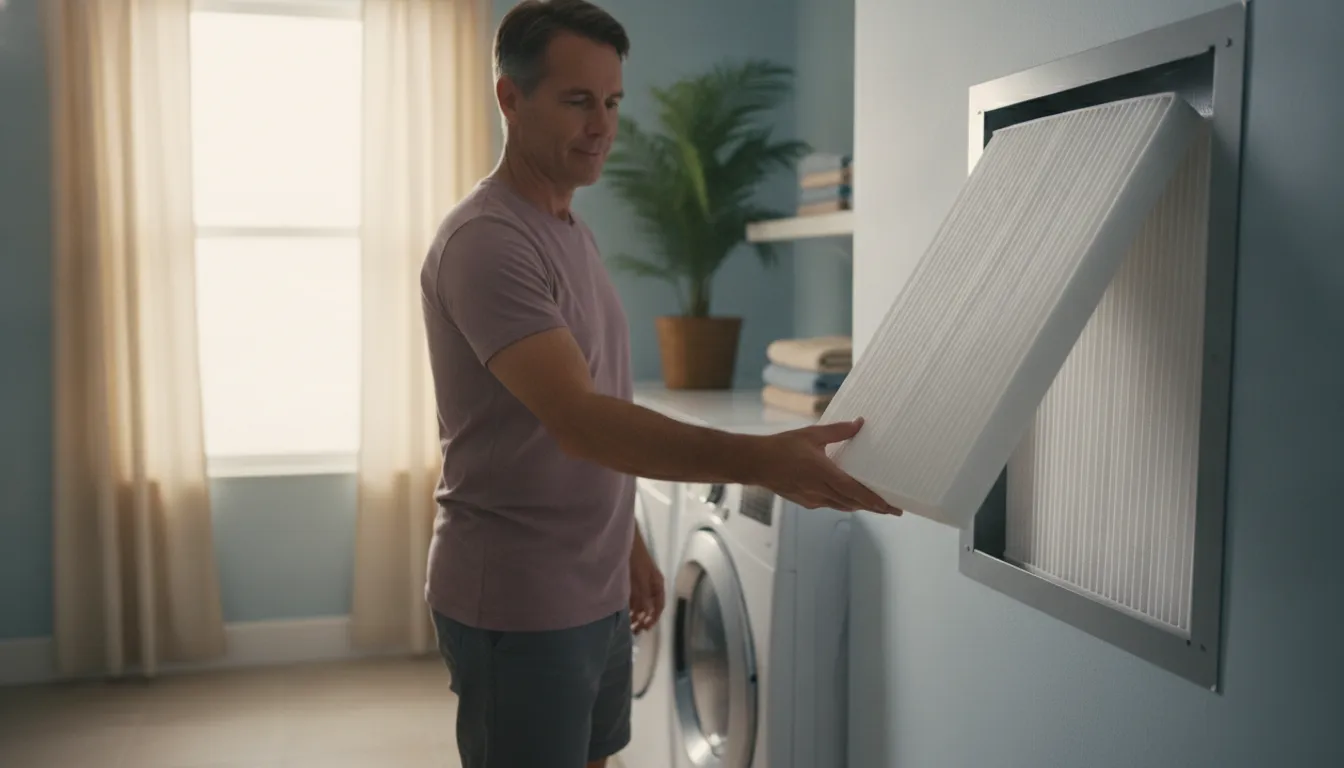
For most homeowners, how often to change AC filter Florida humidity depends on filter thickness, system use, and indoor conditions. A 1-inch pleated filter usually needs replacement every 30 to 45 days during summer, while thicker media filters can last several months. Check the filter monthly and replace it sooner when it looks visibly dirty or airflow drops.
Waiting too long restricts airflow, raises operating costs, and adds stress to the equipment. Research on deferred filter maintenance links delayed replacement with a greater risk of early equipment failure. In Florida, humidity makes a practical schedule worthwhile rather than occasional.
Why Florida Humidity Demands a Faster AC Filter Change Schedule
Florida air conditioners run through long stretches of heat and moisture. When the system runs for extended periods, it pulls more humid air, dust, and particles through the filter. In a damp environment, that collected material can support mildew growth and build up faster than many homeowners expect. A filter that looks only moderately dirty may already be restricting airflow.
Restricted airflow makes the equipment work harder. You may notice longer run times, weaker airflow from the vents, or rooms that never quite reach the thermostat setting. The added workload reduces efficiency and raises energy bills. In some cases, poor airflow contributes to coil problems or protective shutdowns, turning a simple maintenance item into a service call.
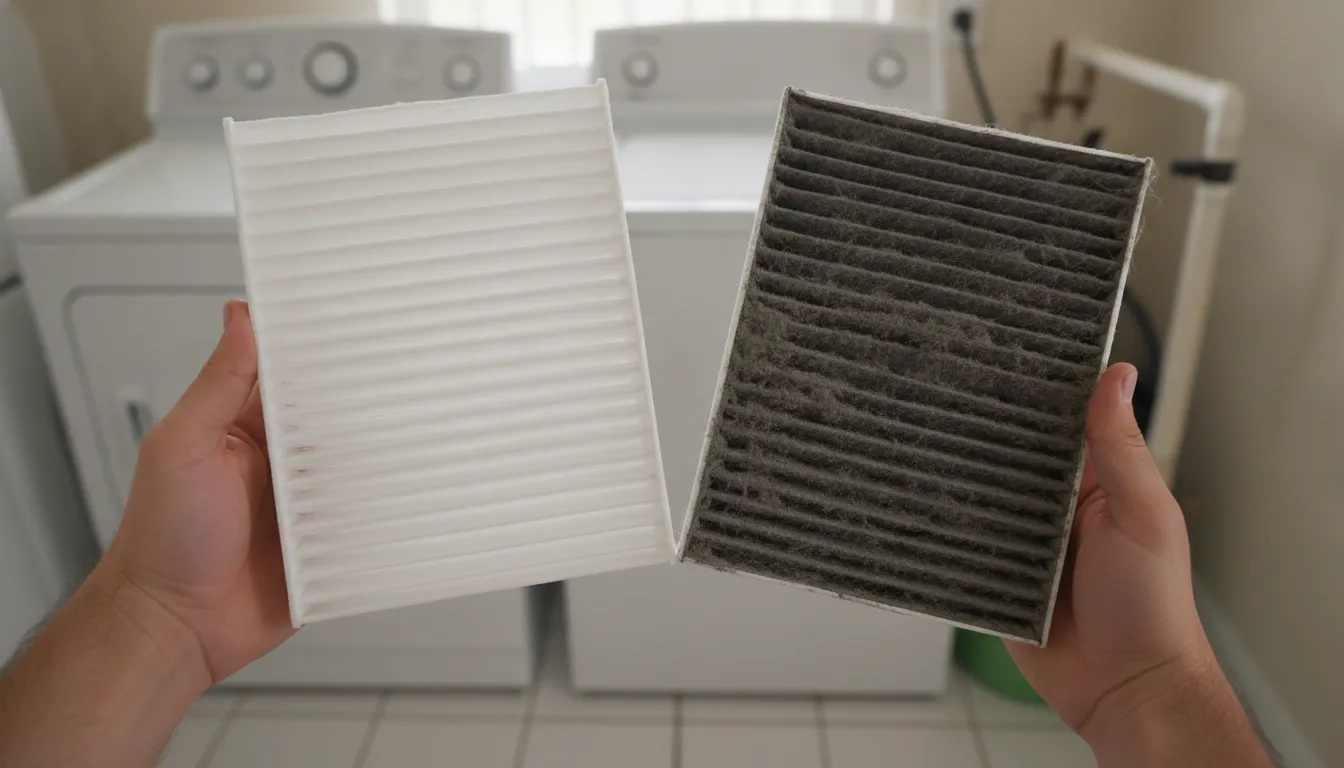
So check the filter regularly during Florida's hottest, most humid months, especially with pets, renovation dust, or allergy sufferers in the home. Replace it when it is visibly loaded and follow the manufacturer's guidance. For general upkeep, a residential HVAC maintenance checklist can help you coordinate filter checks with other seasonal tasks.
Prevention is much cheaper than repair. A clean filter helps a system run efficiently, while a clogged filter makes it work harder and shortens its lifespan. Follow the manufacturer's replacement guidance and adjust the schedule to your home's conditions rather than using a one-size-fits-all rule. Review the ENERGY STAR maintenance checklist.
How Often to Change an AC Filter in Florida's Humidity: Monthly vs Quarterly
There is no single interval for every Florida home. The right schedule depends on the filter's thickness and construction, then on how much dust, pet hair, and indoor activity it handles. Use the schedule below as a starting point and check the filter more often during heavy summer cooling.
| Filter type | Summer schedule | Winter or lower-use schedule | Why the interval varies |
|---|---|---|---|
| Standard fiberglass | Every 30 days | Every 30 days | Lower dust-trapping capacity means it fills quickly. |
| 1-inch pleated | Every 30 to 45 days | Every 45 to 60 days | More surface area than fiberglass, but a shallow filter still loads faster. |
| 2- to 4-inch media | Every 3 to 6 months | Every 3 to 6 months | Deeper media holds more particles before airflow is affected. |
| 5-inch media | Every 6 to 12 months | Every 6 to 12 months | High-capacity media supports a longer interval. |
These ranges reflect common Florida schedules. Replace fiberglass filters about every 30 days, 1-inch pleated filters every 30 to 45 days in summer, and 3-to-6-month or 6-to-12-month intervals for thicker media. Follow the manufacturer's instructions if they specify something shorter. The AC split filter guide can help you identify the filter style in your system.
When monthly replacement is the safer choice
Pets, allergies, or high occupancy can load a 1-inch pleated filter quickly. In those cases, replace it every 30 days year-round. More frequent replacement also helps if the filter looks gray, airflow feels weak, or the system runs longer than usual.
What changes for a vacant vacation home?
A Florida vacation home that stays empty can often use a 60- to 90-day interval for a 1-inch pleated filter, but check it each time you arrive. If the thermostat sits around 78 to 80 degrees, or there is renovation dust or signs of moisture, inspect it sooner.
Which MERV Rating Fits a Humid Florida Home Best
What MERV numbers mean
MERV, or Minimum Efficiency Reporting Value, measures how effectively a filter captures airborne particles. Higher numbers trap more allergens but also create greater airflow resistance. The best choice is not the highest number on the shelf; it is the rating your air conditioner can handle while keeping steady airflow.
For most Florida homes, MERV 8 to 11 is a practical sweet spot. These filters keep the indoor coil clean without restricting airflow excessively, which matters when your system runs frequently to manage humidity. A too-restrictive filter contributes to weak airflow, longer run times, and added strain.
When MERV 13 may be appropriate
MERV 13 captures more small particles and can help a household with significant allergies. But it should only be used when the system fan, ductwork, and filter slot can handle its higher restriction. The Environmental Protection Agency recommends choosing a MERV 13 or the highest rating your system can accommodate, without upgrading without checking compatibility. See the EPA's MERV rating guidance.
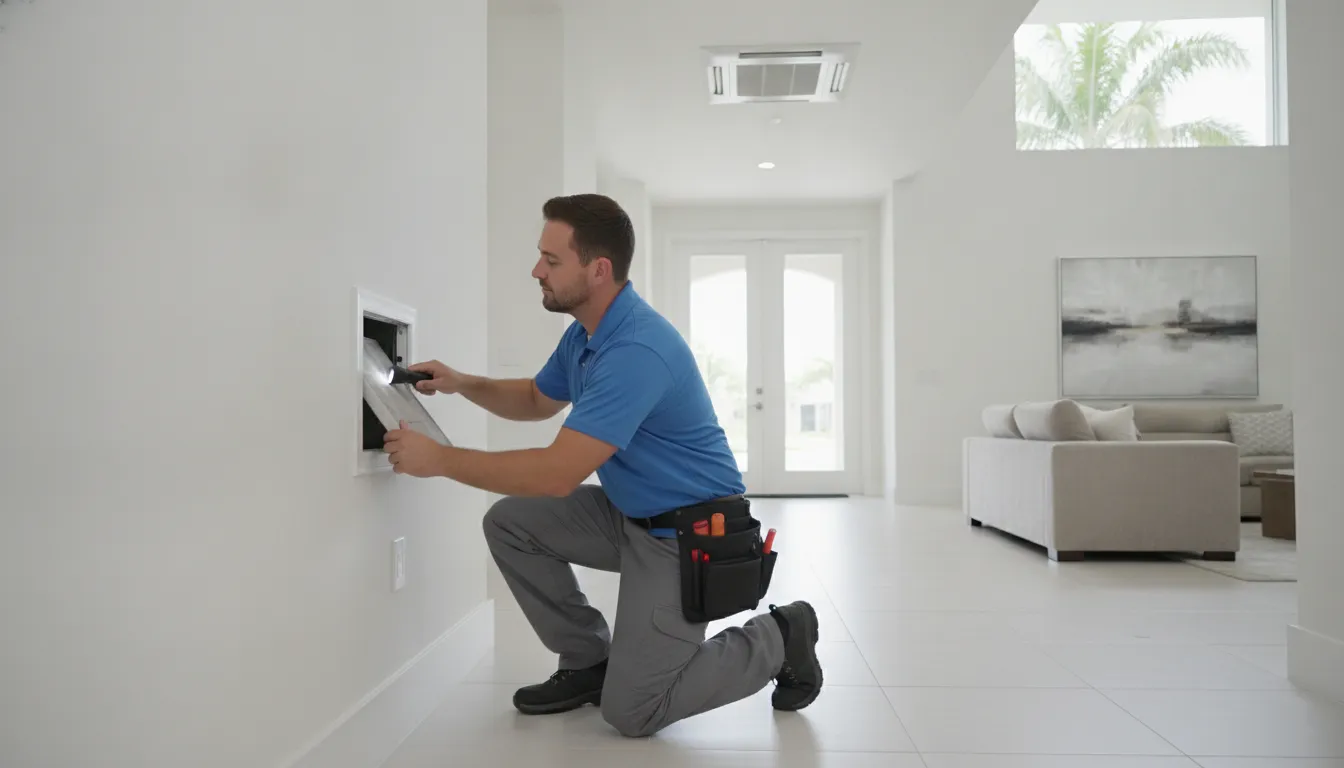
Before moving from MERV 8 or 11 to MERV 13, have an HVAC professional confirm the filter slot and system specifications. Whatever rating you choose, follow the manufacturer's guidance and inspect the filter regularly, since a loaded filter restricts airflow regardless of its MERV number.
Get a free estimate and filter plan from 5 Star Air.
Signs a Clogged AC Filter Is Hurting Your System
An overdue filter affects more than indoor air quality. In a humid home, dust and moisture can combine with restricted airflow to strain the whole cooling system. Watch for these signs:
- Weak airflow from the vents: Rooms feel warm or air barely moves when the system runs.
- Longer run times: The AC cycles much longer than usual trying to reach the thermostat setting.
- Higher energy bills: Longer cycles use more electricity.
- Ice on the coil or refrigerant lines: Low airflow across the coil lets temperatures drop too low. Turn the system off and arrange an inspection.
- Musty odors: A clogged filter contributes to damp, stale air; persistent odors may also signal a drain or moisture issue.
- A visibly dirty filter: Hold it under good light. If it is coated with dust or hard to see through, replace it.
Why a small restriction can become a costly repair
When airflow stays restricted, the AC runs under stress, which can lead to coil problems or premature failure. The filter costs only a few dollars while the repair it helps prevent is many times larger. ENERGY STAR notes that routinely replacing a clean filter is one of the simplest ways to keep a cooling system efficient and avoid bigger repairs. See the ENERGY STAR maintenance checklist.
If weak cooling accompanies these symptoms, review why your AC isn't cooling. Replacing the filter is a sensible first step, but ice, persistent odors, or continued weak airflow deserve a professional diagnosis.
AC Filter Care and Indoor Air Quality in Southwest Florida
Your air conditioner does more than cool the house; it continually moves air through a filter while managing moisture. A neglected filter lets more dust and allergens circulate, restricts airflow, and makes it harder to keep the home comfortable. Regular filter care supports cleaner air and keeps the equipment operating as designed.
How humidity affects your indoor air
Warm, humid air carries dust, pollen, and airborne spores into the home. A clean, properly sized filter captures many of them before they reach the blower and indoor coil. When the filter loads, airflow drops, the system runs longer, and the coil collects dirt, which can contribute to musty odors.
Pleated filters generally offer more surface area than flat or fiberglass designs. The Centers for Disease Control and Prevention recommends changing an HVAC filter every three months or following the manufacturer's instructions, and notes that pleated filters and running the fan on "on" rather than "auto" can improve indoor air quality. See the CDC's air-quality guidance.
Use the manufacturer's schedule as your starting point
There is no single interval for every Southwest Florida home. Filter thickness, system runtime, pets, allergies, dust, and occupancy all affect how fast a filter loads. Check it monthly during heavy cooling season, even if the printed interval is longer. If it looks gray, dusty, or bowed inward, replace it. During routine AC maintenance services, a technician can inspect the filter, coil, blower, and condensate components.
Book your AC maintenance visit with 5 Star Air.
Frequently Asked Questions
How often should you change an AC filter in Florida?
For many Southwest Florida homes, check a 1-inch pleated filter monthly and replace it every 30 to 45 days during heavy summer use. A 45- to 60-day interval may work in lower-use winter months, but pets, allergies, dust, and visible loading call for earlier replacement. Larger 2-to-4-inch media filters commonly last 3 to 6 months, and 5-inch filters 6 to 12 months. Confirm the interval in your manufacturer's instructions.
Does humidity affect how often an AC filter should be changed?
Yes. A humid climate means the system runs frequently, and moisture can contribute to musty odors or biological growth when a filter is left loaded. Inspect the filter monthly during cooling season. If it looks damp, discolored, or heavily coated with dust, replace it rather than waiting for the calendar. Persistent moisture may warrant an HVAC inspection.
What happens if you leave a clogged filter in place?
A loaded filter restricts airflow, making rooms feel warmer, lengthening run times, raising energy use, and contributing to coil icing. Continued neglect increases equipment stress and the risk of early failure, which costs far more than replacing the filter. ENERGY STAR's maintenance guidance emphasizes routine filter replacement. Read the maintenance checklist.
What MERV rating is best for a humid Florida home?
MERV 8 to 11 is a practical range for many Florida homes because it balances particle capture with airflow. MERV 13 can reduce smaller particles, but only when the system, filter slot, and ductwork can handle its added resistance. The EPA recommends following the manufacturer's guidance and choosing the highest rating the system can accommodate. See EPA MERV guidance.
Schedule the Right AC Filter Plan for Your Home
Filter timing and MERV needs vary with your home, equipment, and Southwest Florida conditions. A maintenance visit can confirm a practical change schedule and the right airflow balance. To schedule an appointment, book a time online or call (239) 282-2222 to talk with the 5 Star Air team about your home's filter needs.