Frozen AC Coil Causes Florida Humidity: What to Do
In Southwest Florida, a frozen AC coil is rarely just a layer of ice. It usually means the system is not moving enough warm air across the evaporator coil, or that another component is making the coil run too cold. High humidity adds more moisture to the coil, so a small airflow problem can become a larger freeze quickly.
If you searched "frozen AC coil causes Florida humidity", the short answer is that Florida's high humidity loads the evaporator coil with moisture. Restricted airflow from a dirty filter, blocked vents or ductwork, a failing blower, or low refrigerant from a leak can turn that moisture to ice. Turn the system off before the ice spreads, then check the filter and open the vents. If the coil freezes again or airflow stays weak, a licensed HVAC technician should diagnose the cause.
Understanding how humidity, airflow, and refrigerant balance affect the coil makes it easier to troubleshoot safely and know when professional help is warranted.
Why AC Coils Freeze in Florida's Humidity
Your air conditioner removes heat and moisture through the indoor evaporator coil. During normal operation, that coil stays very cold, generally around 35 to 55 degrees Fahrenheit. Warm indoor air passes over it, heat moves into the refrigerant, and water vapor condenses on the coil so the system can drain it away. The coil is cold by design, but it should not reach the freezing point.
When the coil surface falls below 32 degrees while moisture is present, that condensed water can turn to ice. Florida's high humidity adds substantially more moisture to the air moving through the system, especially during long summer cooling cycles. That is why airflow matters so much here. When the blower cannot move enough warm, humid air across the coil, the refrigerant temperature falls further. Moisture freezes, and the first layer of ice begins to insulate the coil. Less heat reaches the refrigerant, which encourages even more ice to form.
- Humidity supplies the moisture: Moist outdoor air entering through normal household activity and small leaks gives the coil more water to remove.
- Restricted airflow removes less heat: A dirty filter, blocked return, closed vent, or blower problem can leave the coil too cold.
- Ice can become a system problem: Heavy buildup reduces cooling and may contribute to undesirable compressor on-off cycling, according to technical documentation on frozen evaporator coils (technical research on evaporator coil freezing).
In practical terms, Florida humidity makes a freeze more likely when you view the coil as a balance between temperature, moisture, and airflow. Humidity alone does not guarantee a freeze, but it raises the moisture burden and leaves less margin for an airflow or refrigerant problem. If you see ice on the indoor coil or refrigerant line, turn the system off rather than allowing it to run continuously. The next step is finding out why the coil became cold enough to freeze.
What Really Causes a Frozen AC Coil in Florida's Humidity
Most frozen coils trace back to one problem: the evaporator is not getting enough warm indoor air across its surface. Florida's moisture-heavy air makes that airflow imbalance show up faster. The most common causes include these five issues.
Dirty or Clogged Air Filters
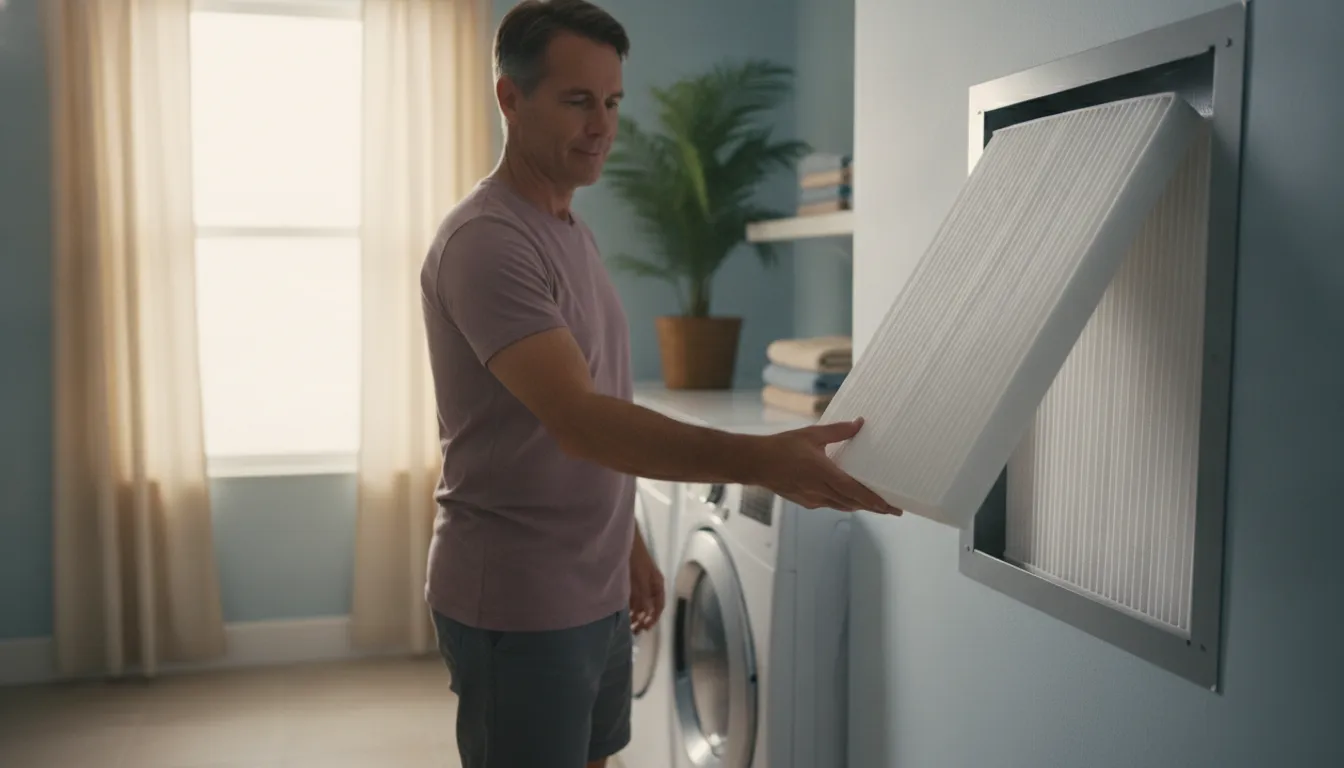
A loaded filter restricts return airflow, so less warm air reaches the coil. The coil can become colder than intended and ice over while the system runs longer. The U.S. Department of Energy identifies restricted airflow from a dirty filter as a cause of inefficient heating and cooling operation. Check the filter monthly during Florida's peak cooling season, and replace it when it is visibly dirty or according to the manufacturer's instructions. A filter that is too restrictive for the system can also reduce airflow, so use the correct size and rating. For a simple maintenance routine, keep this residential HVAC maintenance checklist nearby.
Low Refrigerant or a Leak
Low refrigerant usually means the system has a leak, not that the refrigerant was simply used up. Reduced refrigerant pressure can lower the coil temperature below freezing and create ice. Do not add refrigerant yourself or treat the ice as the underlying repair. Under EPA Section 608, technicians who service equipment containing regulated refrigerants must meet certification requirements. An EPA 608-certified technician can test pressures, locate the leak, and repair the system safely. See the EPA Section 608 requirements for the handling rules.
Blower Fan and Ductwork Problems
A failing blower motor may not move enough air over the coil, even when the thermostat is calling for cooling. Blocked supply ducts, closed or collapsed return grilles, and undersized ductwork can create the same airflow shortage. If some rooms have weak airflow or the blower sounds unusual, the restriction may be deeper than the filter. A technician may need to inspect the blower, duct paths, and return capacity rather than simply thawing the unit.
Finally, setting the thermostat unusually low during very humid weather can keep the system running continuously and contribute to freezing. Choose a reasonable comfort setting, keep supply and return grilles open, and avoid restarting the system until any ice has fully melted. If the coil freezes again after a filter change, the cause likely needs professional diagnosis.
How to Diagnose a Frozen Coil Before You Call for Help
Before you reach for the thermostat, look for a pattern rather than one isolated symptom. Weak airflow, little or no cool air, and visible ice on the indoor coil or refrigerant lines are common signs of a frozen coil. An AC that runs nonstop is another warning. In a humid Florida home, moisture can freeze quickly when airflow is restricted. The troubleshooting guidance from ITI Technical College supports the following safe first checks.
- Turn the AC off at the thermostat. Set the system to Off as soon as you suspect the coil is frozen. Do not keep lowering the temperature to force more cooling. Continuing to run the unit while ice blocks the coil can put extra strain on the system and risks compressor damage.
- Set the fan to On. With cooling turned off, switch the thermostat fan setting from Auto to On. The blower can move warmer indoor air across the coil and help the ice thaw. If water begins collecting around the indoor equipment, protect nearby flooring and avoid opening electrical panels.
- Check the air filter. A dirty filter restricts the airflow that the coil needs. Replace it if it is visibly loaded with dust or overdue for a change. A filter replacement may correct a simple airflow problem, but it will not repair a refrigerant leak, blower issue, or dirty evaporator coil.
- Confirm that vents and returns are open. Walk through the home and make sure supply registers are not closed or blocked by furniture. Check that return grilles have clear space around them. Restricted ductwork or collapsed returns can reduce airflow enough to trigger another freeze.
- Wait until every bit of ice has melted. Do not restart cooling while ice remains on the coil or refrigerant line. The thaw may take several hours, depending on the amount of ice and airflow. Restarting too soon can worsen the problem and contribute to equipment damage.
- Call a professional if it freezes again. Repeated freezing after a filter change usually points to a deeper issue, such as low refrigerant, a fan problem, or a duct restriction. Refrigerant diagnosis and repair require qualified equipment and training. A professional HVAC tune-up can help identify the cause before the next freeze.
These checks can help you protect the equipment, but they are not a substitute for repair when the symptom returns. Leave the system off and arrange service if the coil refreezes, cooling remains weak, or you notice unusual noises, leaks, or electrical odors.
Why Cape Coral, Fort Myers, and Naples Homes Freeze Up More Often
Southwest Florida puts air-conditioning systems under a different kind of workload than a dry climate. In Cape Coral, Fort Myers, and Naples, summer days commonly feel like 95 degrees or higher, and high dew points keep the air heavily loaded with moisture. Your AC has to remove both heat and humidity, so it may run through longer cooling cycles. That gives moisture more opportunity to collect on a very cold evaporator coil. If airflow or refrigerant conditions are not right, that moisture can freeze instead of draining away.
Humidity creates a heavier cooling load
Long run times are not automatically a problem. They are often how a properly sized system manages Florida humidity. The risk increases when the system is already struggling, the thermostat is set unusually low, or a restriction prevents enough warm indoor air from moving across the coil. In those conditions, the coil can fall below freezing while moisture is still present. The result may be weak airflow, ice on the refrigerant line, or an AC that runs without making the home comfortable.
Salt air and dirt affect coastal equipment
Homes near the coast also deal with salt-laden air. Over time, salt can accelerate corrosion on coils and other outdoor components. Dirt and corrosion buildup can reduce the coil's ability to transfer heat and can contribute to restricted airflow. That matters because a coil that cannot exchange heat normally is more vulnerable to freezing during a long, humid cooling cycle. Homeowners who notice recurring ice should not treat it as a simple seasonal nuisance. It can point to an airflow, coil condition, or refrigerant problem.
Florida equipment also tends to have a shorter practical lifespan, often around five to 12 years, depending on installation quality, maintenance, usage, and coastal exposure. As coils and related components age, corrosion and accumulated wear make freeze-ups more likely. A repair-first inspection can separate a manageable maintenance issue from a failing component. 5 Star Air uses hourly technicians rather than commissioned salespeople, so the focus stays on finding the cause, explaining the options, and providing transparent pricing. If you are also dealing with standing water or drainage symptoms, review these AC coil drain pan issues before the next freeze causes additional damage.
When to Call a Pro (and How to Prevent the Next Freeze)
A frozen coil is not always an emergency, but repeated icing is a sign that the underlying problem needs attention. You can handle a few basic checks safely. Anything involving refrigerant, electrical parts, or major components belongs with a qualified HVAC technician. Refrigerant leaks require handling by an EPA Section 608 certified technician, not a homeowner attempting a quick recharge. EPA Section 608 requirements explain why proper certification matters.
When DIY Stops Being Safe
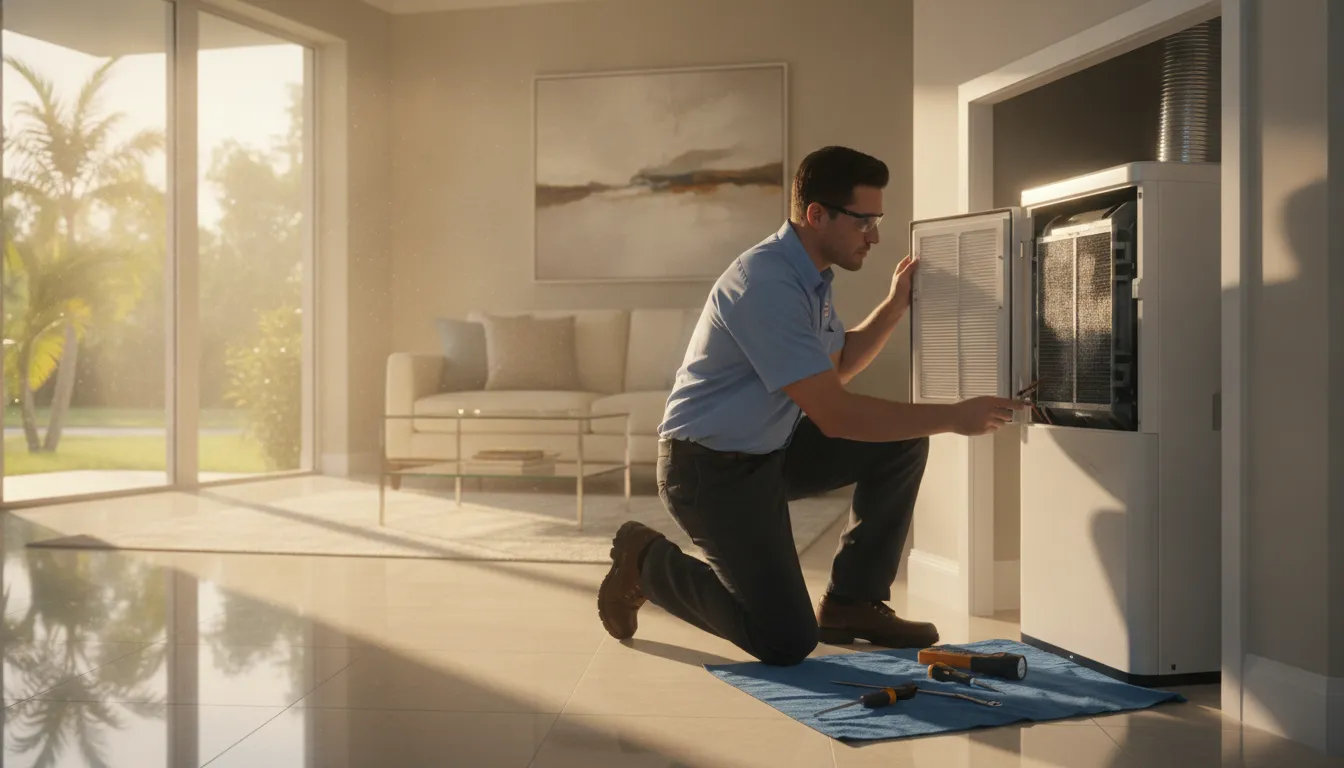
Turn the system off and let the ice melt before inspecting the filter or vents. If the filter is clean, airflow is still weak, water is pooling, or the coil freezes again after restart, stop troubleshooting and schedule an inspection. A technician can test refrigerant pressure, locate leaks, evaluate the blower motor, and check whether duct restrictions are starving the coil of warm air. Continuing to run a frozen system can place unnecessary strain on the compressor.
| DIY Checks You Can Do | When to Call a Licensed Pro |
|---|---|
| Air filter: Check for dust and replace a disposable filter with the correct size. | The new filter does not restore airflow, or the filter becomes dirty unusually fast. |
| Airflow and vents: Open supply vents and make sure furniture is not blocking returns. | Several rooms have weak airflow, or ducts appear collapsed, damaged, or disconnected. |
| Thawing out: Turn cooling off and allow all visible ice to melt before restarting. | Ice returns, water leaks from the indoor unit, or the system will not cool after thawing. |
| Refrigerant: Look for ice on refrigerant lines, but do not open or service the circuit. | A leak or low charge is suspected. Refrigerant diagnosis and repair require certification. |
| Blower motor: Listen for unusual sounds and note whether air is moving. | The blower is silent, intermittent, noisy, or unable to move sufficient air. |
| Repeated freeze-ups: Record when icing occurs and what checks you already completed. | The coil freezes more than once. A recurring fault can cause lasting equipment damage. |
Regular professional tune-ups can catch minor leaks and airflow problems before they become freeze damage. A seasonal inspection is especially useful in Southwest Florida, where humidity keeps systems working hard. If you need a repair, 5 Star Air offers 24/7 emergency service with an approximately two-hour response, and has served more than 5,000 customers. The company maintains an A+ BBB rating and 4.9-star rating, with no commissioned salespeople. For recurring icing or a system that will not restart, request AC repair in Southwest Florida.
Frequently Asked Questions
Can high humidity cause AC coils to freeze?
Yes. Humid air adds more moisture to the cold evaporator coil, so any airflow restriction can accelerate ice formation. A dirty filter, blocked duct, or failing blower can keep warm indoor air from moving across the coil. Learn more about humidity and frozen AC coils.
What should I do if I see ice on my AC coil or refrigerant line?
Turn the cooling system off at the thermostat and let the ice thaw completely. You can set the indoor fan to ON to help circulate air, then check the filter and confirm that supply vents and returns are open. Do not restart cooling while ice remains, because continued operation can cause further damage. See frozen AC troubleshooting guidance.
How long does it take for a frozen AC coil to thaw?
Thawing time varies with the amount of ice, indoor temperature, airflow, and system condition. Wait until the coil and refrigerant lines are completely clear before testing the AC. If water is dripping as the ice melts, protect nearby surfaces and arrange an inspection if drainage cannot keep up.
Will a frozen AC coil fix itself?
The ice may melt after the system is turned off, but that does not fix the underlying problem. If freezing returns after a filter change and open vents are confirmed, low refrigerant, a blower problem, or a duct restriction is likely. A professional diagnosis will find the fault.
When should I call an HVAC technician?
Call a technician if the coil freezes again, airflow remains weak, or the system runs continuously without cooling properly. Low refrigerant usually points to a leak, and refrigerant diagnosis and repair should be handled by a qualified professional. Avoid opening the system or attempting a refrigerant recharge yourself.
Ready to Stop the Next Frozen Coil?
If your AC keeps freezing, a professional diagnosis can help identify the airflow or system issue before the problem returns. 5 Star Air takes a repair-first approach and serves homeowners throughout Southwest Florida. Call 5 Star Air at 16462511292 to schedule AC repair in Cape Coral, Fort Myers, Naples, or nearby communities.